
AFTER EMBRYO SCREENING IS NIPT OR AMNIOCENTESIS STILL NEEDED DURING PREGNANCY? – MSC, MD LE NHU NGOC – 0764 040 519
Yes. After pregnancy is achieved with an embryo that underwent preimplantation genetic testing, prenatal screening and diagnostic testing options should still be discussed. Embryo testing reduces the risk of abnormalities within its testing scope, but it does not fully replace NIPT, chorionic villus sampling, or amniocentesis.
However, every patient does not automatically need both NIPT and amniocentesis. NIPT is a screening test, whereas amniocentesis provides a sample for diagnostic testing. The appropriate choice depends on the PGT type, embryo result, maternal age, ultrasound findings, family history, and the degree of certainty the family wants.
The complete PGT report should be brought to prenatal appointments. The obstetric and genetics teams need to know whether PGT-A, PGT-M, or PGT-SR was performed, which abnormalities were assessed, and which limitations were stated before planning testing during pregnancy.
1. Is NIPT or amniocentesis needed after embryo screening?
Professional guidance recommends that prenatal screening and diagnostic options remain available to pregnant patients even when PGT has been performed. A normal PGT result does not guarantee that the fetus has no genetic condition or congenital anomaly.
If a patient prefers continued noninvasive screening, NIPT may be considered after counseling. If diagnostic information is required, the clinician may discuss chorionic villus sampling or amniocentesis and the appropriate laboratory test for the collected sample.
This does not mean that every patient must undergo amniocentesis. Both pathways should be explained, including the benefits, limitations, and risks, so the patient can make an informed choice.
2. Why does PGT not fully replace prenatal testing?
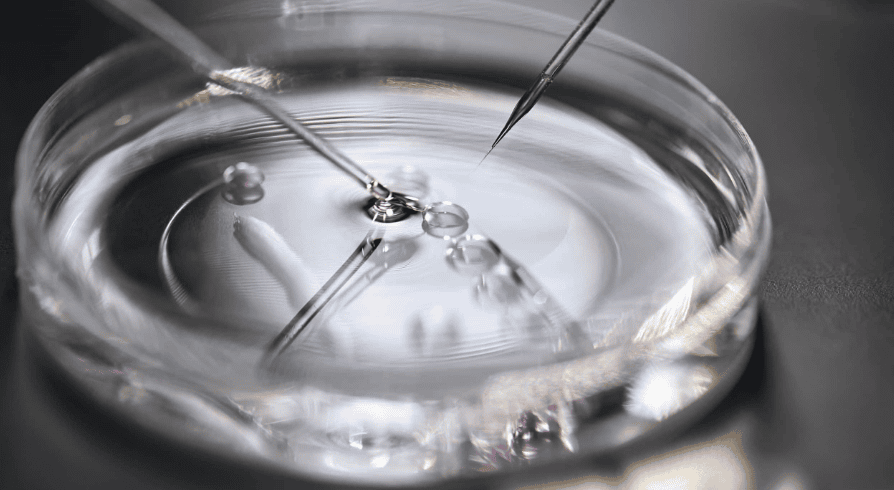
PGT evaluates a small number of cells biopsied from an embryo before transfer. Although modern methods can be highly accurate, biological factors, test scope, and laboratory processes create important limitations:
• The biopsy usually samples several trophectoderm cells, which mainly contribute to the placenta, rather than the entire embryo.
• An embryo may be mosaic, meaning that different cell groups do not have exactly the same chromosome complement.
• PGT-A primarily screens for chromosome-number abnormalities and does not detect every genetic condition.
• PGT-M evaluates only the monogenic condition or familial variant for which the test was designed.
• PGT-SR focuses on unbalanced chromosome material related to a known parental structural rearrangement.
• De novo variants, very small changes, imprinting disorders, and conditions outside the assay scope may not be detected.
• Technical error, a nonrepresentative sample, or an inconclusive result can occur, although these events are uncommon.
PGT therefore lowers part of the assessed risk but does not reduce all risk to zero. Routine prenatal care, fetal anatomy ultrasound, and counseling about prenatal testing remain important.
3. How are NIPT and amniocentesis different?

NIPT and amniocentesis answer different types of questions. Understanding their purposes helps prevent a screening result from being mistaken for a definitive diagnosis.
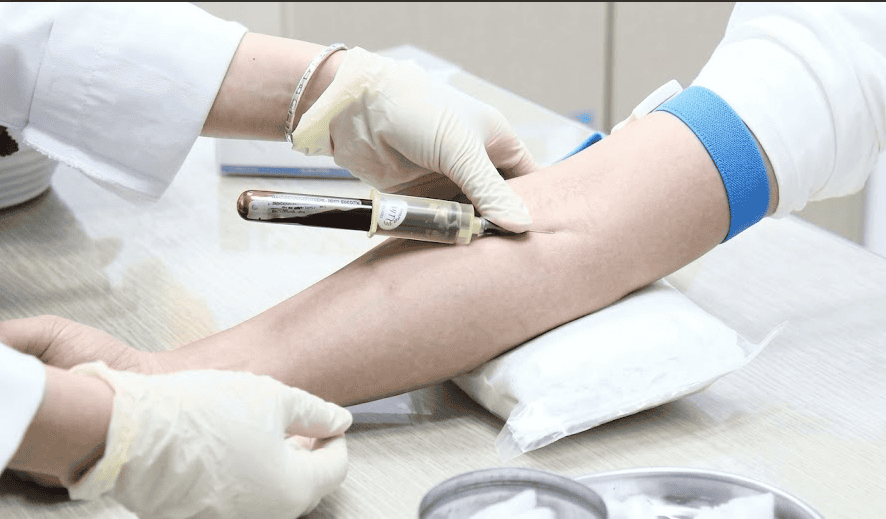
• NIPT analyzes cell-free DNA circulating in maternal blood, most of which is placental in origin, to estimate the risk of selected common chromosome abnormalities.
• Amniocentesis removes a small amount of amniotic fluid for testing fetal cells. It is a diagnostic procedure, although the abnormalities detected depend on the laboratory test ordered on the sample.
• Chorionic villus sampling is also a diagnostic procedure and can be performed earlier in pregnancy, but it samples placental tissue, so confined placental mosaicism may need consideration.
NIPT cannot fully confirm a PGT result and does not replace amniocentesis when a diagnosis is required. Amniocentesis also does not automatically test for every condition; the clinician must select chromosome or gene testing that addresses the specific risk.
4. How does the type of PGT affect prenatal testing choices?
After PGT-A, patients should still be offered aneuploidy screening with NIPT or diagnostic testing. NIPT may add prenatal screening information, but because both PGT-A and NIPT assess material related to placental cell lineages, NIPT is not a completely independent confirmation of PGT-A.
After PGT-M or PGT-SR, confirmation with chorionic villus sampling or amniocentesis should be discussed. Testing on the prenatal sample must target the relevant monogenic condition, familial variant, or structural chromosome risk; routine NIPT does not confirm most of these findings.
If a mosaic embryo was transferred, the PGT result was inconclusive, or different test results are discordant, the plan should be individualized with genetics and maternal-fetal medicine specialists. In some mosaicism scenarios, amniocentesis may provide more relevant information than chorionic villus sampling because it does not rely on another placental sample.
5. When may NIPT be considered after embryo screening?
NIPT may be chosen when a patient wants continued noninvasive screening for selected common chromosome abnormalities. Before testing, the patient should understand what information the test can and cannot provide:
• The pregnancy followed transfer of a PGT-A tested embryo, but the family wants additional risk assessment during pregnancy.
• The patient does not currently want an invasive procedure and accepts that NIPT is screening rather than diagnosis.
•Current ultrasound findings do not indicate a reason to prioritize diagnostic testing.
• The clinician has explained the scope of the selected NIPT panel, especially for rare conditions or microdeletions.
• The patient understands that a low-risk result reduces risk but cannot exclude every abnormality.
• A high-risk result will require genetic counseling and diagnostic testing before major pregnancy decisions are made.
• Twin pregnancy, a demised co-twin, or a vanishing twin requires separate counseling because test accuracy may be affected.
Several independent screening approaches should not be performed simultaneously merely to seek agreement, because they can produce conflicting risk estimates. The clinician can help select one appropriate screening strategy.
6. When should chorionic villus sampling or amniocentesis be considered?
Diagnostic testing may be selected from the outset or offered after a screening or ultrasound result requires clarification. Situations that warrant detailed discussion include:
• NIPT or another screening test returns a high-risk, inconclusive, or no-call result.
• Ultrasound identifies increased nuchal translucency, a structural anomaly, or several markers associated with chromosome abnormalities.
• The pregnancy followed PGT-M and the family wants confirmation of the monogenic condition that was tested.
• The pregnancy followed PGT-SR and chromosome status requires confirmation using an appropriate method.
• A mosaic embryo was transferred or the PGT report contains limitations that need further prenatal assessment.
• Family history, parental test results, or a new pregnancy finding creates a risk outside the original PGT scope.
• The family prefers diagnostic information after understanding the small procedure-related risk.
Chorionic villus sampling is generally performed earlier, whereas amniocentesis is usually performed from 15 weeks. The procedure, timing, and laboratory analysis should be selected by the specialist according to gestational age and the genetic question being investigated.
7. How should prenatal testing be planned after PGT?
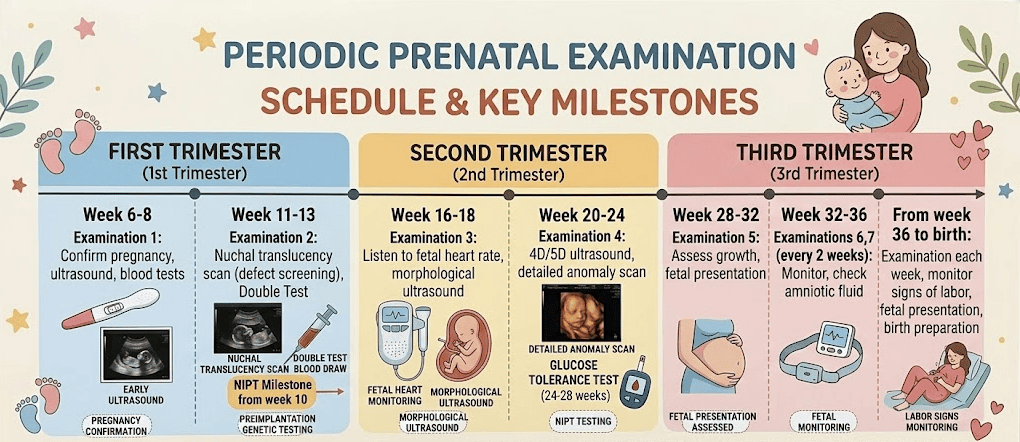
The plan should begin at an early prenatal visit and reflect both the PGT report and the family’s preferences. The care team should not wait for an abnormal finding before reviewing what the embryo was tested for.
• Provide the complete PGT report, parental genetic test results, and pretransfer genetic counseling records.
• Confirm whether PGT-A, PGT-M, PGT-SR, or a combination was performed.
• Discuss NIPT, chorionic villus sampling, and amniocentesis early, including what each option can establish.
• Attend recommended ultrasounds, including fetal anatomy assessment, because PGT and NIPT do not detect every structural anomaly.
• If screening is high risk or ultrasound is abnormal, obtain genetic counseling before choosing diagnostic testing.
The final decision should reflect informed patient preferences. A patient may accept or decline screening and diagnostic testing after understanding the benefits, limitations, and possible consequences of each choice.
8. Frequently asked questions
Does a euploid PGT-A result guarantee that the fetus has no chromosome abnormality?
No. A euploid result reduces the risk of abnormalities within the PGT-A scope, but it cannot completely exclude testing error, mosaicism, or abnormalities outside that scope.
Is NIPT after PGT-A unnecessary duplication?
The tests overlap in their assessment of chromosome risk but occur at different stages. NIPT may provide additional screening information during pregnancy, but it is not a confirmatory test for PGT-A.
Is NIPT alone sufficient after PGT-M?
Usually not. Routine NIPT does not diagnose the specific monogenic condition assessed by PGT-M. Chorionic villus sampling or amniocentesis with the appropriate targeted test should be discussed if the family wants confirmation.
Does a high-risk NIPT result mean that the fetus is definitely affected?
No. NIPT is a screening test and false-positive results can occur. Genetic counseling, ultrasound evaluation, and diagnostic testing are needed before major decisions are made.
Can amniocentesis detect every genetic condition?
No. Amniocentesis is a method of obtaining a diagnostic sample. Detection depends on which test is performed on the amniotic fluid, so the analysis should reflect the suspected condition, PGT result, and family history.
Can prenatal testing counseling be skipped if ultrasound findings are normal?
Counseling should still be offered. A normal ultrasound is reassuring but cannot exclude every chromosome abnormality or monogenic condition. The patient should receive the options and retain the right to decide.
9. Consultation with MSc, MD Le Nhu Ngoc at Hope Clinic
Testing after embryo transfer should reflect the type of PGT performed, the complete embryo report, ultrasound findings, and the degree of certainty the family wants. A normal embryo result should not be interpreted as a reason to omit all prenatal screening or diagnosis.
At Hope Clinic, MSc, MD Le Nhu Ngoc provides individualized counseling for pregnancies after IVF, explains the roles of NIPT, chorionic villus sampling, and amniocentesis, and coordinates genetics or maternal-fetal medicine consultation when indicated.
📍Address: Hope Clinic, 61 Le Lai, Da Nang.
☎️Hotline/Zalo: 0764 040 519.
🌐Website:https://lenhungoc.com