
Postpartum urinary incontinence is a relatively common condition, particularly when women cough, sneeze, laugh, exercise, or lift heavy objects.
After pregnancy and childbirth, the pelvic floor muscles and the structures supporting the bladder and urethra may become stretched or weakened. As a result, some women may experience urinary leakage during the first weeks or months after giving birth.
For some women, this condition may gradually improve as the body recovers. However, persistent urinary incontinence should not be considered something women simply have to live with after childbirth.
So, does postpartum urinary incontinence go away on its own? When does it need treatment? Is leaking urine when coughing or sneezing dangerous? When should a woman have her pelvic floor evaluated?
Let’s explore what women should know about postpartum urinary incontinence with M.Sc. Dr. Le Nhu Ngoc – Hope Clinic, Da Nang.
What Is Postpartum Urinary Incontinence?
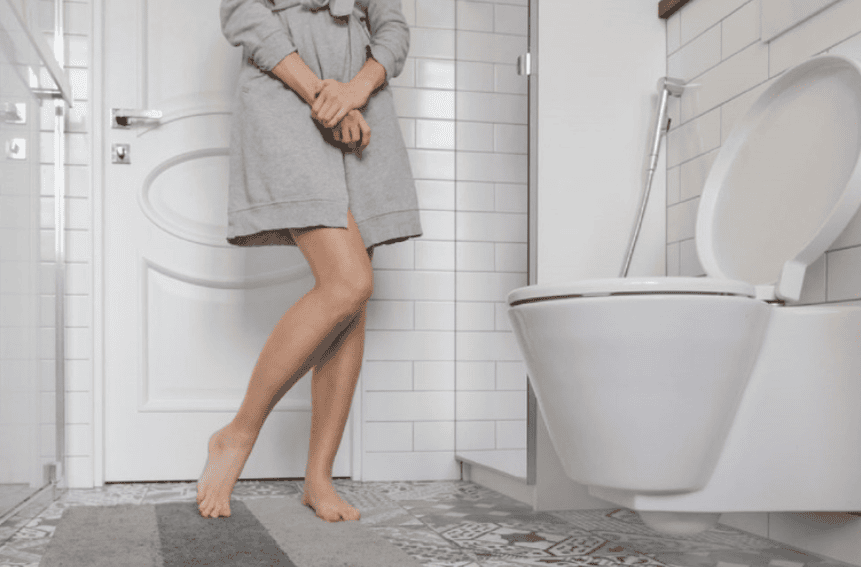
Postpartum urinary incontinence is the involuntary leakage of urine after childbirth.
It can occur in several different forms.
The most common is stress urinary incontinence, which may happen when a woman:
Coughs.
Sneezes.
Laughs.
Runs or jumps.
Exercises.
Lifts heavy objects.
Changes position suddenly.
Some women may instead experience a sudden, strong urge to urinate that is difficult to control, sometimes making it impossible to reach the bathroom in time.
Some women may experience both types.
Why Are Women More Likely to Develop Urinary Incontinence After Childbirth?
Pregnancy and childbirth can place significant stress on the pelvic floor.
The pelvic floor is a group of muscles and tissues that support the pelvic organs and help control the bladder and bowel.
During pregnancy and after childbirth, factors such as:
Pressure from the fetus and uterus on the pelvic floor.
Stretching of the pelvic floor muscles.
Vaginal birth.
Assisted delivery with forceps or vacuum.
Perineal injury.
A large baby or prolonged labor.
may increase the risk of pelvic floor dysfunction and postpartum urinary incontinence.
However, urinary incontinence does not occur only after vaginal birth. Women who have a C-section may also experience urinary incontinence, because pregnancy itself places pressure on the pelvic floor.
Does Postpartum Urinary Incontinence Go Away on Its Own?
It may improve on its own in some women, but it does not completely resolve in every case.
During the first weeks after childbirth, the body is still recovering. The pelvic floor muscles may gradually regain strength and control.
Therefore, if urinary leakage is mild and has only recently developed, some women may notice gradual improvement as they recover.
However, if urinary incontinence:
Persists.
Does not improve.
Becomes more frequent.
Interferes with daily activities.
Causes women to avoid exercise or physical activity.
it should not simply be ignored.
Pelvic floor assessment and guided exercises can help identify the underlying problem and determine an appropriate recovery plan. NICE recommends supervised pelvic floor muscle training for at least 3 months as a first-line treatment option for stress urinary incontinence or mixed urinary incontinence.
How Long After Childbirth Should You Wait Before Seeking Treatment?
There is no single timeline that applies to every woman.
If urinary leakage is mild during the early postpartum period and is clearly improving, it may be reasonable to continue monitoring it as the body recovers.
However, women should consider seeing a doctor if:
Urinary leakage continues beyond the initial recovery period.
Symptoms are not improving.
Leakage occurs frequently.
Urine leaks when coughing, sneezing, or exercising.
You cannot control sudden urges to urinate.
You need to use pads because of urinary leakage.
Urinary incontinence affects work, exercise, or sexual activity.
In particular, if the problem continues during postpartum recovery, women should discuss it with a doctor rather than waiting indefinitely. ACOG also recommends assessing urinary control as part of postpartum care and considering referral to pelvic floor physical therapy or urogynecologic care when appropriate.
Is Leaking Urine When Coughing or Sneezing Normal After Childbirth?
This is a common symptom of stress urinary incontinence.
When a woman coughs or sneezes, pressure inside the abdomen increases. If the pelvic floor muscles and urethral support have not fully recovered, urine may leak.
This can occur during postpartum recovery.
However, common does not mean that women have to accept the condition permanently.
If urinary leakage persists or interferes with daily life, pelvic floor function should be assessed to determine the cause and an appropriate recovery approach.
Does Postpartum Urinary Incontinence Only Occur After Vaginal Birth?
No.
Many people believe that only women who have vaginal births can develop urinary incontinence.
In reality, pregnancy itself can affect the pelvic floor.
Vaginal birth may add certain risk factors, particularly when assisted delivery or pelvic floor injury occurs.
However, women who have C-sections can also experience postpartum urinary incontinence.
Therefore, pelvic floor care should be based on a woman's actual condition rather than solely on the mode of delivery.
Can Kegel Exercises Help Treat Postpartum Urinary Incontinence?
They can.
Pelvic floor muscle training is an important approach to preventing and treating urinary incontinence.
However, it is important to activate the correct muscles and perform the exercises properly.
An appropriate pelvic floor exercise program should take into account:
The ability to contract the pelvic floor muscles.
The ability to relax the muscles.
The type and severity of urinary incontinence.
Pain or discomfort.
Bladder control.
The woman's individual recovery goals.
NICE recommends that postpartum pelvic floor muscle training should be adapted to an individual's ability to contract and relax the pelvic floor muscles and, when needed, be guided by a professional with appropriate pelvic floor expertise.
Therefore, women should not simply follow an exercise routine found online without knowing whether they are performing it correctly.
What If Kegel Exercises Do Not Improve Urinary Incontinence?
If a woman has been doing pelvic floor exercises consistently but urinary leakage continues, she should not simply assume that she needs to exercise more.
It may be necessary to reassess:
Whether the correct type of urinary incontinence has been identified.
Whether the pelvic floor muscles are actually being activated correctly.
Whether the pelvic floor is weak or overly tense.
Whether there was pelvic floor injury during childbirth.
Whether pelvic organ prolapse is present.
Whether there is an underlying bladder or urinary tract problem.
Some women may benefit from an individualized pelvic floor physical therapy program rather than simply exercising independently at home.
Does Postpartum Urinary Incontinence Require Medication?
Not every woman needs medication.
Treatment depends on the type and underlying cause of urinary incontinence.
For stress urinary incontinence, pelvic floor muscle training is generally one of the first treatment options.
For urgency urinary incontinence or mixed urinary incontinence, a doctor may also consider bladder training and other treatment options depending on the individual's condition.
Women should therefore not purchase medication for urinary incontinence without first determining the underlying cause.
Three Common Misconceptions About Postpartum Urinary Incontinence
Misconception 1: Postpartum urinary leakage is normal, so it does not need treatment
Not necessarily.
Urinary leakage can occur during postpartum recovery, but if it persists or affects quality of life, women should have it evaluated.
Misconception 2: Kegel exercises are all you need for postpartum urinary incontinence
Not always.
Pelvic floor muscle training plays an important role, but its effectiveness depends on the underlying cause and whether the exercises are performed correctly.
Some women need a more detailed pelvic floor assessment before an appropriate exercise program can be developed.
Misconception 3: Postpartum urinary incontinence will eventually disappear if you wait long enough
Do not assume this.
Some cases improve over time, but if symptoms persist, fail to improve, or increasingly interfere with daily life, women should seek medical assessment rather than continuing to wait.
When Should a Woman See a Doctor About Postpartum Urinary Incontinence?
You should consider a medical consultation if you experience:
Urinary leakage when coughing, sneezing, or laughing.
Urinary leakage when running, jumping, or exercising.
Sudden urinary urgency and inability to reach the bathroom in time.
Frequent urinary leakage.
The need to use pads because of urine leakage.
Urinary incontinence that continues beyond the initial recovery period.
A feeling of heaviness or pressure in the vagina.
Pelvic pain.
Pain during intercourse.
Urinary leakage that affects work, physical activity, or quality of life.
In particular, if urinary incontinence is accompanied by difficulty urinating, painful urination, blood in the urine, pelvic pain, or other unusual urinary symptoms, medical evaluation is recommended to identify the underlying cause.
What Will a Doctor Check During an Evaluation for Postpartum Urinary Incontinence?
An assessment is not simply about asking whether a woman leaks urine.
A doctor may ask about:
When the urinary leakage began.
Whether leakage occurs with coughing, sneezing, or physical exertion.
Whether leakage occurs with a sudden urge to urinate.
How frequently leakage occurs and approximately how much urine is lost.
Pregnancy and childbirth history.
Whether the woman had a vaginal birth or C-section.
Whether there was a perineal tear or assisted delivery.
Pelvic floor function.
Pelvic pain or a feeling of pressure.
Urination patterns and other urinary symptoms.
Related gynecological concerns.
Depending on the situation, the doctor may consider a gynecological examination, pelvic floor assessment, or other appropriate tests.
The goal is to identify the type and underlying cause of urinary incontinence and select an appropriate treatment approach.
Frequently Asked Questions (FAQ)
Does postpartum urinary incontinence go away on its own?
It may improve in some women as the body recovers, but it does not completely resolve in every case.
If symptoms persist or affect quality of life, medical assessment is recommended.
How long after childbirth should urinary incontinence be treated?
There is no single timeline that applies to every woman. If symptoms do not improve, persist, or interfere with daily activities, women should seek an evaluation rather than continuing to wait.
Is urinary leakage when coughing or sneezing after childbirth dangerous?
This is commonly associated with stress urinary incontinence and may be related to pelvic floor function.
It is generally not an emergency, but if it persists or affects daily life, appropriate treatment should be considered.
Can women who have had a C-section develop postpartum urinary incontinence?
Yes.
Urinary incontinence can be related to changes in the pelvic floor during pregnancy and after childbirth, so women who have had a C-section can also experience this condition.
How long does it take for Kegel exercises to improve urinary incontinence?
Results vary from person to person. For stress urinary incontinence or mixed urinary incontinence, NICE recommends a supervised pelvic floor muscle training program for at least 3 months.
If exercises are performed correctly but symptoms do not improve, the pelvic floor should be reassessed rather than simply increasing the intensity of exercise.
Postpartum Pelvic Floor Health Consultation With M.Sc. Dr. Le Nhu Ngoc
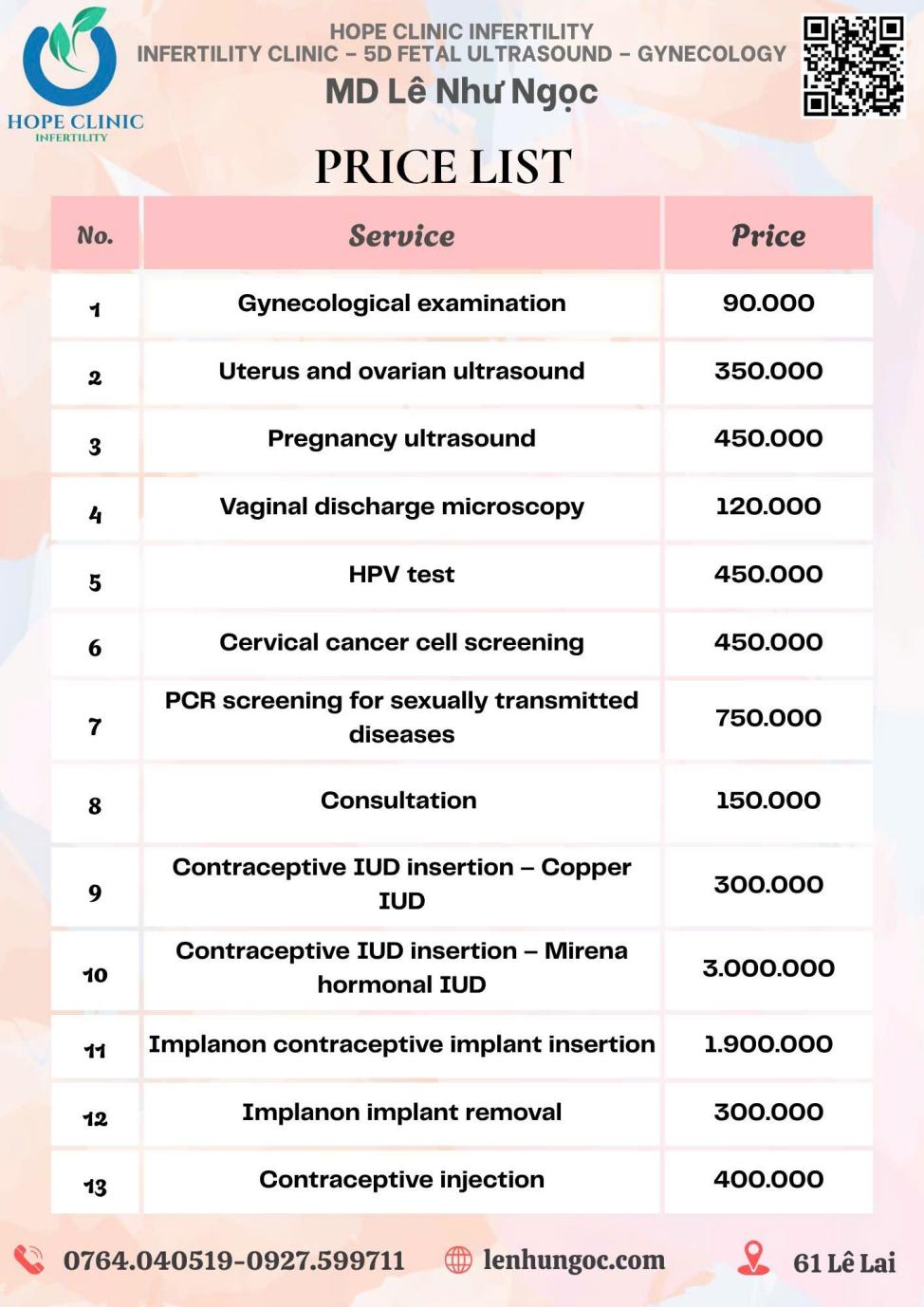
Postpartum urinary incontinence can occur during the body's recovery after childbirth, but women should not assume that urinary leakage is an unavoidable condition they must live with after having a baby.
Some cases may improve naturally over time. However, if urinary leakage persists, does not improve, or affects daily life, pelvic floor assessment and appropriate treatment may help support better recovery.
At Hope Clinic – Da Nang, M.Sc. Dr. Le Nhu Ngoc provides consultations and examinations for postpartum women's health concerns, including urinary incontinence, pelvic floor function, gynecological health, and changes following vaginal birth or C-section.
The goal is to help each woman understand the underlying cause of urinary incontinence, assess pelvic floor function, and choose an appropriate recovery approach rather than silently living with the problem or treating it on her own.
📍 Hope Clinic – M.Sc. Dr. Le Nhu Ngoc
Address: 61 Le Lai Street, Hai Chau District, Da Nang, Vietnam
☎️ Hotline/Zalo: 0764 040 519
🌐 Website: lenhungoc.com