After giving birth, a woman's body needs time to recover, whether she has had a vaginal birth or a cesarean delivery.
In addition to changes involving the uterus, vagina, and pelvic floor, women may experience vaginal dryness, pain during intercourse, reduced sexual desire, or concerns about stitches and surgical wounds after childbirth.
For this reason, the question “How soon after giving birth can I have sex again?” is not determined only by the number of weeks since delivery. It also depends on how well the body has recovered and whether the mother feels physically and emotionally ready.
So, how soon can a woman have sex after giving birth? Is there a difference between vaginal birth and cesarean delivery? What should you do if intercourse is painful or vaginal dryness occurs? When should you see a doctor?
Let’s explore what women need to know about sexual activity after childbirth with M.Sc. Dr. Le Nhu Ngoc – Hope Clinic, Da Nang.
How Soon After Giving Birth Can You Have Sex Again?

There is no single timing that is appropriate for every woman.
In general, a woman should wait until her body has recovered appropriately, postpartum bleeding or lochia has stopped or nearly stopped, significant pain has resolved, and any injuries related to childbirth have had time to heal before resuming sexual intercourse.
The recovery period may be longer if the mother has:
Stitches after childbirth.
A vaginal or perineal tear.
A cesarean incision.
Pelvic pain.
Abnormal bleeding or lochia.
Postpartum complications.
Therefore, women should not rely only on a fixed number of weeks. The actual recovery of the individual woman is also important.
Is There a Difference Between Vaginal Birth and Cesarean Delivery?
There can be differences in the recovery process, but both types of delivery require time for the body to recover.
After Vaginal Birth
Even after an uncomplicated vaginal birth, the uterus, vagina, and pelvic floor need time to recover.
If the mother had an episiotomy or a vaginal or perineal tear, she should pay particular attention to the healing of the stitches and whether there is still pain before resuming sexual intercourse.
After Cesarean Delivery
Having a cesarean delivery does not mean that the vagina does not need time to recover.
After cesarean delivery, the mother still goes through the postpartum recovery process. The uterus needs time to return toward its pre-pregnancy state, and the mother also needs to recover from major abdominal surgery.
The surgical incision should also be healing appropriately, and significant pain with movement should have improved.
Therefore, whether a woman gives birth vaginally or by cesarean delivery, she should not rush to resume sexual intercourse before her body has recovered sufficiently.
What Signs May Suggest That Your Body Is Ready for Sex Again?
Before resuming sexual activity, mothers should consider whether their body has recovered appropriately.
Some reassuring signs include:
No ongoing abnormal bleeding or lochia.
No significant vaginal or pelvic pain.
The perineal stitches have healed appropriately.
The cesarean incision is healing well.
No signs of infection.
The mother can move and change positions relatively comfortably.
The mother feels physically and emotionally ready.
However, you do not need to wait until every sensation has returned completely to normal before resuming sexual activity.
The important point is that a mother should not force herself to have sex when she is in pain or does not feel ready.
Is Pain During Sex Normal After Giving Birth?

Pain during sex is relatively common, particularly during the first few attempts after childbirth.
Possible causes include:
Stitches that have not completely healed.
Sensitive vaginal or pelvic tissues.
Vaginal dryness.
Hormonal changes after childbirth.
Pelvic floor muscle tension.
Anxiety or fear of pain.
Sexual positions that put pressure on areas that are still healing.
Mild discomfort during the early period may gradually improve.
However, significant or persistent pain, or pain that occurs repeatedly during intercourse, should not simply be considered something a mother has to tolerate after childbirth.
If pain continues, a medical evaluation may help identify the underlying cause.
Why Is Vaginal Dryness Common After Childbirth?
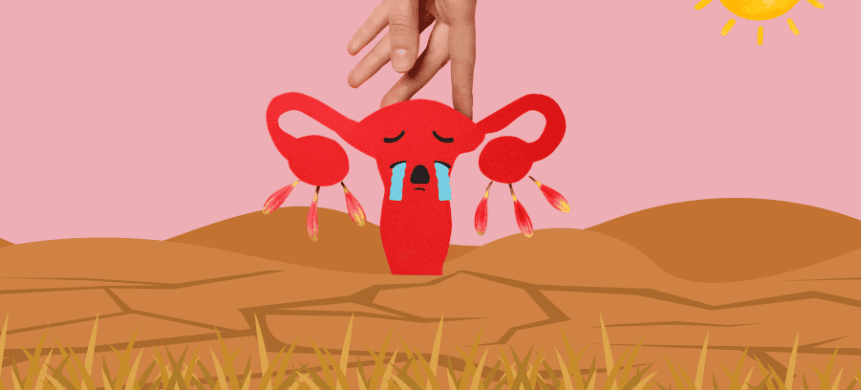
Vaginal dryness can be relatively common after childbirth, particularly among women who are breastfeeding.
After delivery, hormonal changes can occur, and estrogen levels may be lower. This can affect vaginal moisture and natural lubrication.
A mother may experience:
Vaginal dryness.
Burning or irritation.
Discomfort.
Pain during intercourse.
Reduced sexual pleasure.
A feeling of tightness or burning after intercourse.
Vaginal dryness does not necessarily mean that a woman has completely “lost her female hormones.”
If the symptoms persist or affect the couple's sexual relationship, the mother should discuss them with a doctor to determine an appropriate approach, particularly if she is breastfeeding.
Can You Use Lubricant During Sex After Giving Birth?
If vaginal dryness is causing discomfort, a suitable lubricant may help reduce friction during intercourse.
The product should be appropriate for the woman's situation and used according to its instructions.
However, lubricant only helps reduce friction and vaginal dryness. It does not treat other underlying causes of painful intercourse.
If intercourse remains painful despite using a lubricant, or if the pain becomes worse, the mother should seek medical evaluation.
How Can You Make Sex More Comfortable After Giving Birth?
Once the body has recovered sufficiently, sexual activity can be resumed gradually.
Some approaches may help reduce discomfort:
Do not rush.
Communicate openly with your partner about how you feel.
Allow enough time for arousal and foreplay.
Use a lubricant if needed.
Choose positions that allow the mother to control the depth and level of comfort.
Stop if you experience pain.
Do not force yourself when your body is not ready.
Sex after childbirth should not be treated as a “test” that a mother has to pass at a specific time.
Is It Normal to Have Less Sexual Desire After Giving Birth?
It can be.
Sexual desire may decrease after childbirth for many different reasons.
These may include:
Hormonal changes.
Breastfeeding.
Vaginal dryness.
Pain during intercourse.
Lack of sleep.
Physical exhaustion.
Constantly caring for a newborn.
Stress.
Concerns about changes in the body after childbirth.
Changes in the couple's relationship.
Therefore, reduced sexual desire does not necessarily mean that a woman has “low hormones.”
If low sexual desire persists and significantly affects quality of life or the relationship, the mother can discuss it with a doctor to identify possible contributing factors.
Can You Become Pregnant Again After Giving Birth?
Yes.
One common misconception is that if your menstrual period has not returned, you cannot become pregnant.
In reality, ovulation can occur before the first menstrual period after childbirth.
Therefore, if you do not want another pregnancy yet, you should discuss appropriate contraception with your doctor.
The choice of contraception should take into account your health and whether you are breastfeeding.
When Should You Avoid Sex After Giving Birth?
Mothers should temporarily avoid sexual intercourse and seek medical advice if they have:
Abnormal vaginal bleeding.
Significant pelvic pain.
Significant vaginal pain.
Perineal stitches that have not healed.
An abnormal or problematic cesarean incision.
Fever or chills.
Foul-smelling vaginal discharge or lochia.
A wound that is swollen, red, or producing discharge.
Other concerning postpartum symptoms.
If intercourse causes pain, mothers should not continue simply because they believe they “should be having sex again” after childbirth.
When Should You See a Doctor About Pain During Sex After Giving Birth?
A mother should consider a medical evaluation if she experiences:
Significant pain during intercourse.
Pain that continues after intercourse.
Pain that occurs repeatedly during sexual activity.
Persistent vaginal dryness.
Frequent burning or irritation.
Bleeding after intercourse.
Pelvic pain.
Persistent low sexual desire that affects quality of life or the relationship.
A doctor can assess the vagina, perineal stitches, pelvic floor, hormonal factors, and other possible causes of the symptoms.
Three Common Misconceptions About Sex After Giving Birth
Misconception 1: Once a certain number of weeks have passed, you are definitely ready to have sex
Not necessarily.
Time is only one factor.
Healing of any wounds or stitches, pain, vaginal dryness, overall health, and the mother's physical and emotional readiness are also important.
Misconception 2: Pain during sex after childbirth is normal and you simply have to tolerate it
Not necessarily.
Some mild discomfort may occur during the early period, but significant or persistent pain should be evaluated.
Mothers do not need to tolerate painful intercourse for a prolonged period of time.
Misconception 3: If your period has not returned, you cannot become pregnant
This is incorrect.
Ovulation can occur before the first menstrual period after childbirth.
If you do not want another pregnancy yet, you should use an appropriate contraceptive method.
Frequently Asked Questions (FAQ)
How soon after a vaginal birth can I have sex?
There is no single timing that applies to every woman.
You should wait until your body has recovered appropriately, significant pain has resolved, any childbirth-related injuries have healed adequately, and you feel physically and emotionally ready.
How soon after cesarean delivery can I have sex?
After cesarean delivery, the mother also needs time to recover from both the surgical procedure and the normal postpartum recovery process.
The appropriate timing depends on the condition of the surgical incision, pain level, overall health, and medical assessment when necessary.
What should I do if sex is painful after giving birth?
Do not force yourself to tolerate the pain.
You can try resuming sexual activity more slowly, allowing more time for arousal and using a suitable lubricant if vaginal dryness is contributing to the discomfort.
If the pain continues, you should seek medical evaluation to identify the cause.
Can breastfeeding cause vaginal dryness?
Yes.
Hormonal changes during breastfeeding can contribute to reduced vaginal moisture and discomfort during intercourse.
If the symptoms persist, discuss them with your doctor so that an appropriate approach can be considered.
Do I need contraception if my period has not returned after childbirth?
Yes.
Not having a menstrual period does not necessarily mean that ovulation cannot occur.
If you do not want another pregnancy yet, discuss an appropriate contraceptive method with your doctor.
Postpartum Health Consultation With M.Sc. Dr. Le Nhu Ngoc
Sexual activity after childbirth is a natural part of returning to normal life, but there is no single timing that is appropriate for every woman.
What matters is not only how many weeks have passed since delivery, but also how well the body has recovered, whether the mother has pain or vaginal dryness, and whether she feels physically and emotionally ready.
If a mother experiences painful intercourse, persistent vaginal dryness, abnormal bleeding, pelvic pain, or concerns about postpartum recovery, she should seek medical advice rather than simply tolerating the symptoms or using hormones on her own.
At Hope Clinic – Da Nang, M.Sc. Dr. Le Nhu Ngoc provides postpartum consultations and examinations for women, including assessment of postpartum recovery, gynecological health, pelvic floor health, sexual health concerns, and hormonal changes after childbirth.
The goal is to help each mother understand her postpartum recovery, recognize problems that may require treatment, and choose an appropriate approach to care based on her individual health condition.
📍 Hope Clinic – M.Sc. Dr. Le Nhu Ngoc
Address: 61 Le Lai Street, Hai Chau District, Da Nang, Vietnam
☎️ Hotline/Zalo: 0764 040 519
🌐 Website: lenhungoc.com