WHAT ROLE DOES ESTROGEN PLAY IN WOMEN? UNDERSTANDING HORMONES, DECLINING ESTROGEN LEVELS, AND SAFE HEALTHCARE SOLUTIONS IN DA NANG – WITH M.Sc. DR. LE NHU NGOC – HOPE CLINIC, DA NANG – 0764 040 519
Estrogen is often mentioned when discussing women’s health, especially during perimenopause and menopause. However, estrogen is not only related to menstruation or reproductive function.
It is a group of hormones that plays an important role in the reproductive system, bones, cardiovascular health, the brain, vaginal health, and many other functions throughout the body.
When estrogen levels fluctuate or decline, women may experience symptoms such as irregular periods, hot flashes, sleep disturbances, vaginal dryness, or mood changes.
So, what role does estrogen play in women? How does declining estrogen affect the body? Does low estrogen always mean that hormone therapy is necessary?
Let’s explore what women need to know about estrogen with M.Sc. Dr. Le Nhu Ngoc – Hope Clinic, Da Nang.
1. What Is Estrogen?
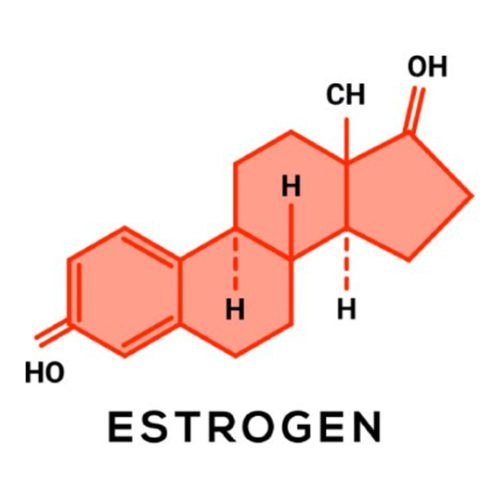
Estrogen is a group of important sex hormones produced primarily by the ovaries during the reproductive years.
Estrogen is not a single hormone but includes several different forms. Among them, estradiol (E2) is the predominant form of estrogen in women of reproductive age.
Estrogen plays an important role in:
The development and function of the female reproductive system.
Regulation of the menstrual cycle.
Maintaining vaginal and genital health.
Maintaining bone density.
Supporting cardiovascular health.
Influencing brain function, mood, and sleep.
Supporting certain functions of the skin and connective tissues.
Therefore, estrogen is not simply a “female hormone” but has important effects on multiple organ systems throughout the body.
2. What Role Does Estrogen Play in Menstruation and Reproduction?
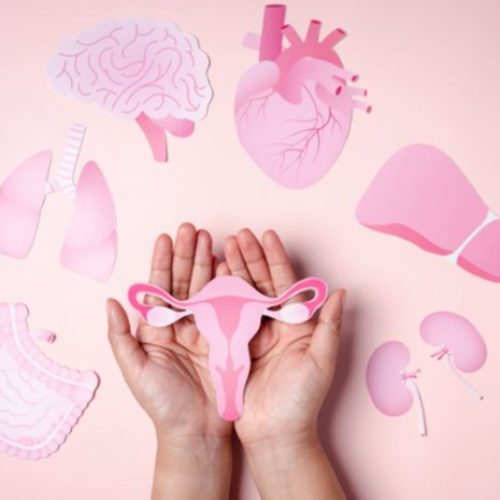
One of the most important roles of estrogen is helping regulate the menstrual cycle and reproductive function.
During each menstrual cycle, estrogen levels change at different stages and work together with other hormones to:
Support the development of the uterine lining.
Support follicular development.
Prepare the body for ovulation.
Regulate the menstrual cycle.
As ovarian function changes during perimenopause, estrogen levels may fluctuate significantly.
This is one of the reasons women may begin to notice:
Irregular periods.
Shorter or longer menstrual cycles.
Changes in menstrual flow.
Missing periods in some months.
After menopause, ovarian function decreases significantly, and estrogen levels decline substantially.
3. How Does Estrogen Affect Bone Health?
Estrogen plays an important role in maintaining bone health.
When estrogen levels decline after menopause, bone loss may accelerate, increasing the risk of reduced bone density and osteoporosis.
This is why bone health becomes an important concern for women after menopause.
However, this does not mean that every woman needs estrogen therapy to prevent osteoporosis.
Bone health should be assessed based on multiple factors, including:
Bone mineral density.
History of fractures.
Risk of osteoporosis.
Coexisting medical conditions.
Individual risk factors.
Depending on the individual situation, a doctor may recommend appropriate prevention or treatment strategies.
4. What Role Does Estrogen Play in Cardiovascular Health?
Estrogen has effects on the cardiovascular and metabolic systems.
As women enter menopause, declining estrogen levels occur alongside changes in metabolism, body fat distribution, and cardiovascular risk factors.
However, this does not mean that estrogen is a hormone that should be used freely to protect cardiovascular health.
A woman’s cardiovascular health depends on many factors, including:
Blood pressure.
Cholesterol levels.
Blood glucose.
Body weight.
Physical activity.
Family history.
Age and coexisting medical conditions.
Therefore, cardiovascular health after menopause should be approached comprehensively rather than focusing solely on estrogen.
5. How Does Estrogen Affect Vaginal and Sexual Health?
Estrogen helps maintain the thickness, elasticity, and moisture of vaginal tissues, while also contributing to a healthy physiological environment in the genital tract.
When estrogen levels decline, particularly after menopause, women may experience:
Vaginal dryness.
Burning or discomfort.
Pain during intercourse.
Reduced lubrication during intercourse.
Vulvovaginal discomfort.
Certain urinary symptoms.
These symptoms may be part of Genitourinary Syndrome of Menopause (GSM).
When symptoms are primarily localized to the vagina and genital tract, systemic estrogen therapy is not always necessary.
A doctor may consider local treatments or other options depending on the woman’s symptoms and overall health status.
6. Does Estrogen Affect the Brain, Mood, and Sleep?
Yes.
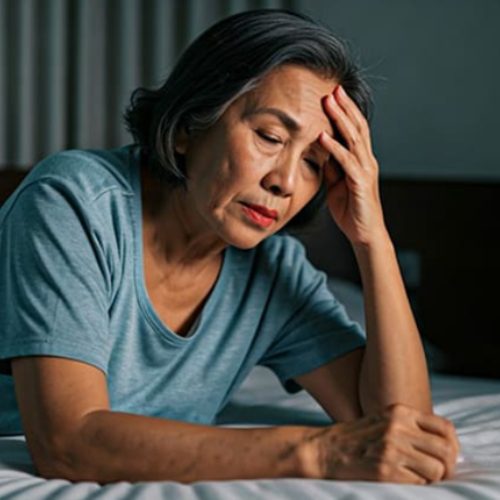
During perimenopause and menopause, hormonal changes may be associated with:
Difficulty sleeping.
Waking during the night.
Mood changes.
Difficulty concentrating.
However, not all sleep, mood, or memory problems are caused by low estrogen.
Stress, insufficient sleep, work-related factors, thyroid conditions, medications, and many other factors can cause similar symptoms.
Therefore, if symptoms persist or significantly affect daily life, women should have the underlying causes evaluated rather than automatically assuming that they have “low estrogen.”
7. How Does Estrogen Change During Perimenopause and Menopause?
This is the stage when women often notice the most significant changes related to estrogen.
During Perimenopause
Estrogen does not simply decline steadily day by day.
Hormone levels can fluctuate considerably. At certain times, estrogen levels may remain relatively high, while at other times they may decrease.
These fluctuations may be associated with:
Irregular periods.
Hot flashes.
Night sweats.
Sleep disturbances.
Mood changes.
After Menopause
As ovarian function declines significantly, the amount of estrogen produced by the ovaries also decreases substantially.
Some women may continue to experience symptoms associated with declining estrogen levels, such as hot flashes, vaginal dryness, or sleep disturbances.
The severity and duration of symptoms vary from woman to woman.
8. What Signs May Be Associated With Declining Estrogen Levels?
Declining estrogen, particularly during perimenopause and menopause, may be associated with a range of symptoms.
Common signs may include:
Irregular periods.
Hot flashes.
Night sweats.
Difficulty sleeping.
Vaginal dryness.
Pain during intercourse.
Mood changes.
Certain changes in the skin and hair.
Bone loss over time.
However, these symptoms do not have a single underlying cause.
Therefore, women should not see a few of these signs and immediately conclude that they have “low estrogen” and purchase hormones on their own.
9. Does Low Estrogen Always Mean That Estrogen Therapy Is Necessary?
No.
This is one of the most common misconceptions.
Estrogen plays an important role, but estrogen therapy is not the right solution for every woman.
Whether hormone therapy should be used needs to be considered based on:
Menopausal stage.
The extent to which symptoms affect quality of life.
Medical history.
Cardiovascular risk.
Risk of blood clots.
History of breast cancer or related conditions.
Uterine status.
Current medications.
The woman’s treatment goals.
The goal is not to bring estrogen levels to an “ideal” level at all costs. Instead, the goal is to determine whether treatment is genuinely needed and choose an approach in which the expected benefits outweigh the potential risks for the individual woman.
10. Three Common Misconceptions About EstrogenMisconception 1: The higher the estrogen level, the longer a woman stays young
Not true.
Estrogen has many important physiological functions, but it is not a “rejuvenation hormone.”
Aging is a natural biological process and cannot be reversed simply by taking estrogen.
Women over 40–50 should take a comprehensive approach to their health through proper nutrition, regular physical activity, adequate sleep, cardiovascular health, bone health, and appropriate health screening.
Misconception 2: Having perimenopausal symptoms definitely means you have low estrogen
Not necessarily.
During perimenopause, estrogen levels can fluctuate rather than simply decline.
In addition, symptoms such as sleep disturbances, fatigue, mood changes, or reduced sexual desire may have many other causes.
A comprehensive assessment is important rather than attributing every symptom to estrogen.
Misconception 3: You can simply buy estrogen and take it when you have symptoms
This is not recommended.
Estrogen is available in different forms, and each has different indications.
Systemic estrogen and local estrogen therapy differ in their treatment purposes, degree of absorption, and considerations for use.
In particular, women who still have a uterus generally need progestogen to protect the endometrium when using systemic estrogen.
Therefore, women should not purchase or use hormone therapy based on word-of-mouth advice or someone else’s experience.
11. When Should Women See a Doctor About Estrogen?
You should consider seeing a doctor if you experience:
Significant changes in your menstrual cycle.
Frequent hot flashes or night sweats.
Persistent sleep disturbances.
Vaginal dryness or pain during intercourse.
Symptoms that affect work or quality of life.
Concerns about bone health after menopause.
An interest in using estrogen or hormone therapy.
Uncertainty about whether you are in perimenopause or have reached menopause.
In particular, if you experience unexplained vaginal bleeding or bleeding after menopause, you should see a doctor for an appropriate evaluation to determine the underlying cause.
12. Frequently Asked Questions (FAQ)Is estrogen only related to menstruation?
No. Estrogen plays a role in the reproductive system, bones, cardiovascular health, vaginal health, brain function, and many other functions throughout the body.
Is declining estrogen the only cause of hot flashes?
Changes and declines in estrogen are associated with hot flashes during perimenopause and menopause. However, other symptoms may have multiple causes and should be evaluated appropriately.
Does low estrogen mean that I need hormone therapy?
Not necessarily. The use of hormone therapy should be based on symptoms, age, menopausal stage, medical history, and an individualized assessment of benefits and risks.
Can estrogen help women stay young longer?
No. Estrogen is not a treatment that reverses the aging process. When indicated, the primary goal of hormone therapy is to manage symptoms and provide appropriate health benefits for individual women.
Can women with a uterus use estrogen alone?
When systemic estrogen is used, women who still have a uterus generally need endometrial protection with progestogen. The choice of hormones and treatment regimen should be evaluated by a doctor on an individual basis.
13. Hormonal Health Consultation With M.Sc. Dr. Le Nhu Ngoc
Estrogen is an important hormone for women’s health, but not every change in the body means that a woman needs estrogen therapy.
Especially during perimenopause and menopause, hormonal changes can be complex. Understanding the role of estrogen can help women avoid self-diagnosing themselves with “hormone deficiency” or taking hormones without medical guidance.
At Hope Clinic – Da Nang, M.Sc. Dr. Le Nhu Ngoc provides consultations for women’s health during perimenopause and menopause, assessing symptoms, hormonal status, medical history, and individual risk factors before considering an appropriate treatment approach.
The goal is to help every woman understand estrogen correctly, identify the underlying causes of her symptoms, and choose a healthcare approach that is appropriate for her individual health status.
📍 Hope Clinic – M.Sc. Dr. Le Nhu Ngoc
Address: 61 Le Lai Street, Hai Chau District, Da Nang, Vietnam
☎️ Hotline/Zalo: 0764 040 519
🌐 Website: lenhungoc.com
 Estrogen is a group of important sex hormones produced primarily by the ovaries during the reproductive years.
Estrogen is not a single hormone but includes several different forms. Among them, estradiol (E2) is the predominant form of estrogen in women of reproductive age.
Estrogen plays an important role in:
Estrogen is a group of important sex hormones produced primarily by the ovaries during the reproductive years.
Estrogen is not a single hormone but includes several different forms. Among them, estradiol (E2) is the predominant form of estrogen in women of reproductive age.
Estrogen plays an important role in:
 One of the most important roles of estrogen is helping regulate the menstrual cycle and reproductive function.
During each menstrual cycle, estrogen levels change at different stages and work together with other hormones to:
One of the most important roles of estrogen is helping regulate the menstrual cycle and reproductive function.
During each menstrual cycle, estrogen levels change at different stages and work together with other hormones to:
 Yes.
During perimenopause and menopause, hormonal changes may be associated with:
Yes.
During perimenopause and menopause, hormonal changes may be associated with:
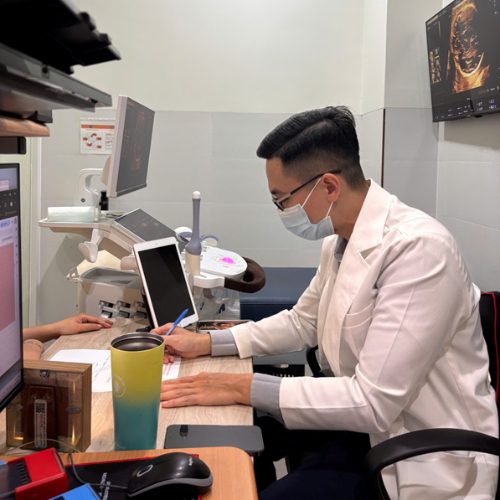 You should consider seeing a doctor if you experience:
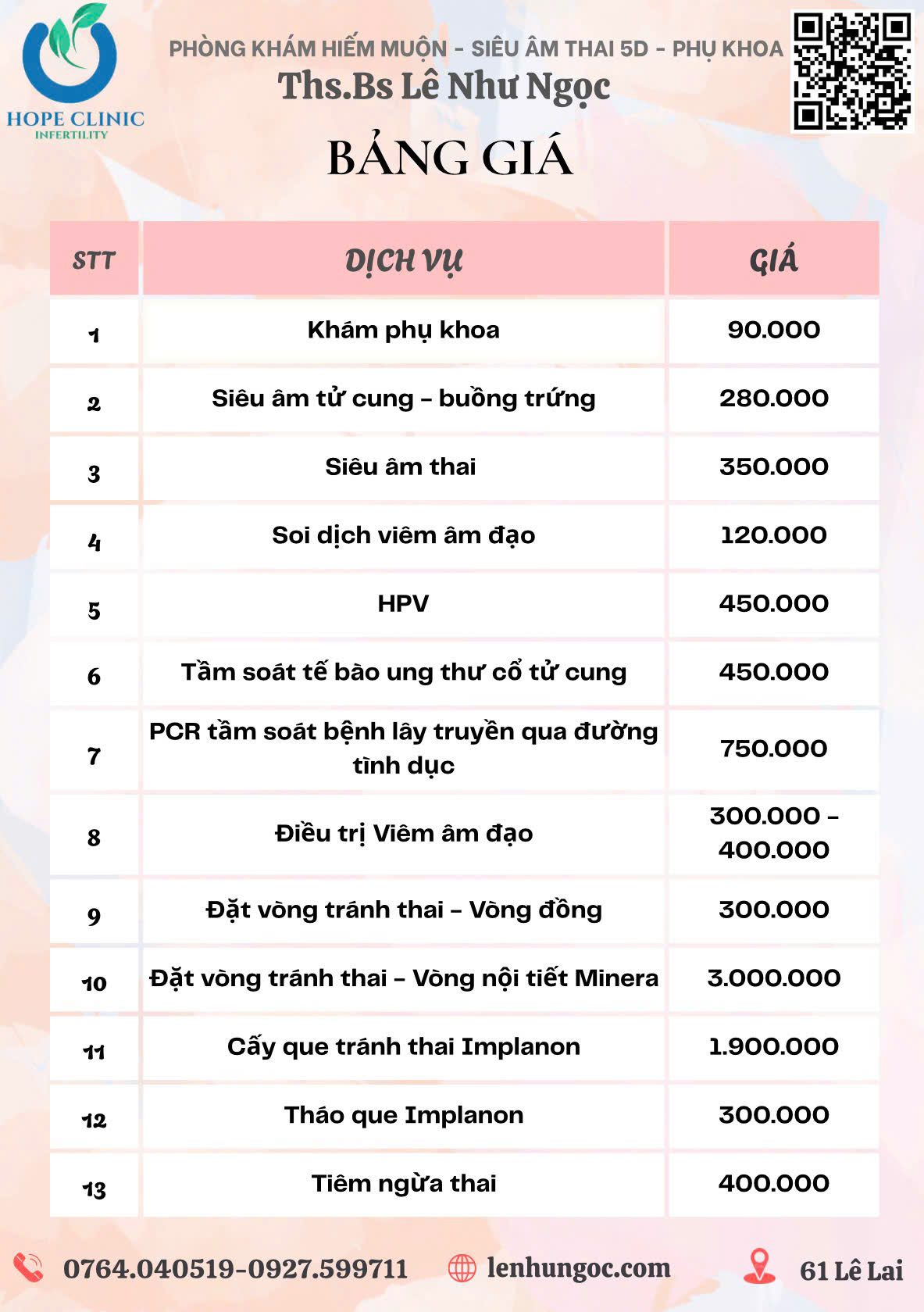 Estrogen is an important hormone for women’s health, but not every change in the body means that a woman needs estrogen therapy.
Especially during perimenopause and menopause, hormonal changes can be complex. Understanding the role of estrogen can help women avoid self-diagnosing themselves with “hormone deficiency” or taking hormones without medical guidance.
At Hope Clinic – Da Nang, M.Sc. Dr. Le Nhu Ngoc provides consultations for women’s health during perimenopause and menopause, assessing symptoms, hormonal status, medical history, and individual risk factors before considering an appropriate treatment approach.
The goal is to help every woman understand estrogen correctly, identify the underlying causes of her symptoms, and choose a healthcare approach that is appropriate for her individual health status.
📍 Hope Clinic – M.Sc. Dr. Le Nhu Ngoc
Address: 61 Le Lai Street, Hai Chau District, Da Nang, Vietnam
☎️ Hotline/Zalo: 0764 040 519
🌐 Website: lenhungoc.com
Estrogen is an important hormone for women’s health, but not every change in the body means that a woman needs estrogen therapy.
Especially during perimenopause and menopause, hormonal changes can be complex. Understanding the role of estrogen can help women avoid self-diagnosing themselves with “hormone deficiency” or taking hormones without medical guidance.
At Hope Clinic – Da Nang, M.Sc. Dr. Le Nhu Ngoc provides consultations for women’s health during perimenopause and menopause, assessing symptoms, hormonal status, medical history, and individual risk factors before considering an appropriate treatment approach.
The goal is to help every woman understand estrogen correctly, identify the underlying causes of her symptoms, and choose a healthcare approach that is appropriate for her individual health status.
📍 Hope Clinic – M.Sc. Dr. Le Nhu Ngoc
Address: 61 Le Lai Street, Hai Chau District, Da Nang, Vietnam
☎️ Hotline/Zalo: 0764 040 519
🌐 Website: lenhungoc.com