CESAREAN SCAR DEFECT AND INFERTILITY: FROM DIAGNOSIS AND TREATMENT TO PREPARING FOR PREGNANCY – MSC. MD LE NHU NGOC – 61 LE LAI CLINIC – 0764 040 519
A cesarean scar defect is a change that may develop at the site of a previous uterine incision after a cesarean delivery. Many cases cause no symptoms and do not require treatment. However, in some women, a cesarean scar defect may be associated with prolonged bleeding, pelvic pain, difficulty conceiving, or certain challenges during assisted reproductive treatment.
Therefore, when a woman with a history of cesarean delivery is having difficulty becoming pregnant, finding a cesarean scar defect does not necessarily mean that the cause of infertility has been identified. A comprehensive fertility evaluation of both partners is still necessary to determine whether the scar defect is actually contributing to the current fertility problem.
1. What Is a Cesarean Scar Defect and Why Does It Matter When Trying to Conceive?
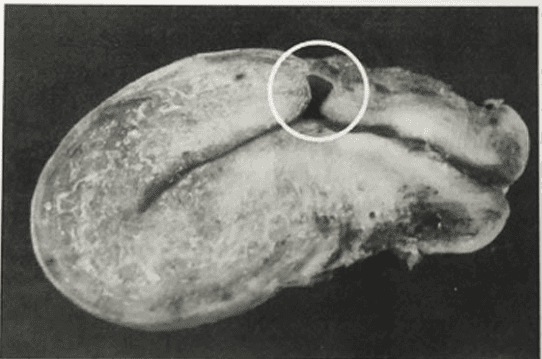
After a cesarean delivery, the incision made in the uterus heals and forms scar tissue. In some women, a small indentation or defect may develop within the uterine muscle at the scar site. This is commonly referred to as a cesarean scar defect.
A cesarean scar defect may be detected on ultrasound even when a woman has no symptoms. Therefore, the presence of a scar defect on imaging does not necessarily mean that there is a condition requiring treatment.
Some women may experience:
Prolonged bleeding or brown discharge after menstruation has ended.
Prolonged or abnormal uterine bleeding.
Pelvic pain or pain during intercourse.
Difficulty conceiving after a previous pregnancy.
Difficulties during certain types of assisted reproductive treatment.
The potential impact depends on several factors, including the size and shape of the scar defect, the remaining myometrial thickness, associated symptoms, and the individual’s plans for future pregnancy.
2. Is a Cesarean Scar Defect Associated With Infertility?
It may be associated with infertility, but a cesarean scar defect should not be considered the sole cause of infertility.
Some studies suggest that women with cesarean scar defects may experience difficulty conceiving after a previous pregnancy. Cesarean scar defects have also been associated with lower live birth rates in some groups of women undergoing in vitro fertilization (IVF), compared with women who have had a cesarean delivery but do not have a scar defect. However, the extent of this association and whether there is a direct causal relationship are still being investigated.
Several possible mechanisms have been proposed, including:
Menstrual blood or fluid may accumulate within the scar defect.
The intrauterine environment may be affected.
A scar defect may make embryo transfer more challenging in some cases.
Abnormalities of the uterus may coexist with other causes of infertility.
Importantly, not every woman with a cesarean scar defect will have infertility. If conception is difficult, other factors should also be evaluated, including age, ovarian reserve, ovulation, fallopian tube function, uterine conditions, and the male partner’s semen analysis.
3. How Is a Cesarean Scar Defect Diagnosed?
A cesarean scar defect is commonly detected by gynecological ultrasound. In some cases, the doctor may recommend more specialized ultrasound techniques to assess the location and characteristics of the scar more clearly.
When evaluating a cesarean scar defect in a woman who is trying to conceive, doctors generally assess:
The location and shape of the scar defect.
The size and depth of the defect.
The remaining myometrial thickness at the scar site.
Whether fluid or blood has accumulated within the defect.
Whether abnormal bleeding or pelvic pain is present.
The number of previous cesarean deliveries.
Other gynecological conditions and reproductive factors.
For women undergoing infertility treatment, evaluation should not stop at determining whether a scar defect is present. The uterus, ovaries, fallopian tubes, and reproductive factors of both partners should be assessed as a whole.
4. When Does a Cesarean Scar Defect Need Treatment?

Not every case requires treatment.
If a scar defect is found incidentally, but the woman has no symptoms and there are no concerns related to her reproductive plans, the doctor may recommend monitoring rather than immediate intervention. A 2025 expert consensus also emphasizes that treatment decisions should take into account symptoms, remaining myometrial thickness, and the patient’s future pregnancy plans.
Treatment may be considered when:
There is persistent abnormal bleeding.
Pelvic pain or other symptoms related to the scar defect are present.
The scar defect is considered potentially relevant to infertility.
Assisted reproductive treatment has been attempted and the scar defect is identified as a factor that may need to be addressed.
The characteristics of the scar defect suggest that treatment may be appropriate before another pregnancy.
Treatment decisions should be individualized. Surgery should not be recommended solely on the basis of an ultrasound finding.
5. What Treatments Are Available for a Cesarean Scar Defect?
Depending on the characteristics of the scar defect and the patient’s reproductive goals, doctors may recommend observation, medical treatment in selected cases, or surgical intervention.
Hysteroscopic Treatment
This procedure involves inserting an instrument through the vagina and cervix into the uterine cavity to treat the appropriate portion of the defect.
Hysteroscopic treatment is generally less invasive and may be considered in appropriately selected cases, particularly when the remaining myometrium is sufficiently thick.
Laparoscopic Surgery
Laparoscopic surgery may be considered when the scar defect is deep, the remaining myometrium is thin, or reconstruction of the scar area is needed.
Some studies have reported favorable reproductive outcomes after laparoscopic repair. However, most available evidence comes from observational studies, and there are substantial differences between patient groups. Therefore, pregnancy or live birth rates reported in individual studies should not be interpreted as success rates that apply to every patient.
Vaginal Surgery
In selected cases, the scar defect may be accessed through the vagina. This approach is not suitable for everyone and needs to be considered based on the location and depth of the defect as well as the patient’s reproductive plans.
Overall, there is no single treatment that is appropriate for every woman with a cesarean scar defect. The choice of treatment should be based on the characteristics of the defect, symptoms, remaining myometrial thickness, and reproductive goals.
6. If I Have Infertility, Should the Scar Defect Be Repaired Before IVF?
This is a common question, but there is no single answer that applies to every patient.
If a woman has a cesarean scar defect but no symptoms, a small defect, and no evidence that the defect significantly affects her reproductive plan, surgery before IVF may not necessarily be required.
On the other hand, if there is a significant scar defect, thin remaining myometrium, retained fluid or blood, abnormal bleeding, or other findings that lead the doctor to suspect that the scar defect may affect assisted reproductive treatment, treatment before embryo transfer may be considered.
A 2025 systematic review and meta-analysis found that women with cesarean scar defects undergoing IVF had lower live birth rates than women with a history of cesarean delivery but without a scar defect. However, whether the scar defect should be repaired before IVF still needs to be determined on an individual basis.
Therefore, instead of asking, “If I have a cesarean scar defect, do I have to undergo surgery before IVF?”, the more important question is:
Does the scar defect actually affect this patient’s treatment plan?
This is an important consideration when deciding whether intervention is appropriate or whether assisted reproductive treatment can proceed.
7. What Should Be Done Before Trying to Conceive Again After Scar Repair?
After treatment, patients should not decide when to try to conceive again based solely on how well they feel or when postoperative pain has resolved.
The doctor may need to reassess the scar area to determine:
How well the repaired area has healed.
The remaining myometrial thickness.
How much the scar defect has improved.
Whether fluid or other abnormalities remain at the scar site.
There is no single fixed time for attempting pregnancy after treatment. The appropriate timing depends on the treatment method, healing of the scar, and each patient’s reproductive plan.
For women undergoing infertility treatment, once the scar has stabilized, the doctor can reassess the treatment plan based on age, ovarian reserve, sperm quality, uterine and fallopian tube conditions, and other relevant factors.
Importantly, repairing a cesarean scar defect does not mean that all causes of infertility have been addressed. Other fertility factors should continue to be evaluated and treated when necessary.
8. Frequently Asked Questions
Can a cesarean scar defect cause infertility?
It may be associated with infertility in some women, but not everyone with a scar defect will have difficulty conceiving. Other potential causes of infertility should also be evaluated.
Can I become pregnant if I have a cesarean scar defect?
Yes. Having a cesarean scar defect does not mean that pregnancy is impossible. However, pregnancy planning should take into account the characteristics of the scar defect, uterine condition, and other reproductive factors.
When does a cesarean scar defect need treatment?
Treatment may be considered when the scar defect causes symptoms, is potentially associated with infertility, or is considered likely to affect future pregnancy planning. Women without symptoms do not necessarily need treatment.
Does a cesarean scar defect need to be repaired before IVF?
Not every case requires repair. The decision depends on the characteristics of the scar defect, remaining myometrial thickness, symptoms, and the assisted reproductive treatment plan.
Can a cesarean scar defect affect embryo transfer?
In some cases, a scar defect may make embryo transfer more difficult or affect the intrauterine environment. However, the degree of impact varies between individuals and should be assessed by a specialist.
How long after scar repair can I become pregnant?
There is no single time frame that applies to everyone. The appropriate timing depends on the treatment method, healing of the scar, and the doctor’s assessment after treatment.
Should a cesarean scar defect be treated hysteroscopically or laparoscopically?
The two approaches have different indications. The choice depends on the depth of the defect, remaining myometrial thickness, symptoms, and reproductive goals. The treatment should not be selected solely on the basis of pregnancy rates reported in a single study.
What should I do if a cesarean scar defect is detected?
The first step is to fully assess the characteristics of the scar defect and the reproductive health of both partners. Surgery should not be rushed simply because a scar defect has been identified on ultrasound.
9. Evaluation and Consultation for Cesarean Scar Defects With MSc, MD Le Nhu Ngoc at Hope Clinic
If you have previously had a cesarean delivery and are experiencing difficulty becoming pregnant, the evaluation should focus on an important question: Does the scar defect actually affect fertility and the plan for future pregnancy?
At Hope Clinic, MSc, MD Lê Như Ngọc may evaluate:
Previous cesarean deliveries and pregnancy history.
Abnormal bleeding, pelvic pain, or other related symptoms.
Ultrasound findings of the cesarean scar defect.
Remaining myometrial thickness.
Uterine and fallopian tube conditions when indicated.
Reproductive factors of both partners.
Previous IUI, IVF, or embryo transfer treatment, if applicable.
The goal is not to recommend surgery for everyone with a scar defect, but to determine the role of the scar defect in each individual’s fertility problem, and then choose an appropriate approach—observation, treatment, or continuation of assisted reproductive treatment.
📍Address: Hope Clinic, 61 Le Lai, Da Nang.
☎️Hotline/Zalo: 0764 040 519.
🌐Website:https://lenhungoc.com