WHAT DISEASES CAN EMBRYO SCREENING DETECT?– MSC. MD LE NHU NGOC – 61 LE LAI CLINIC – 0764 040 519
Embryo screening is a genetic testing approach that may be performed during in vitro fertilization (IVF) to provide additional information about an embryo’s chromosome status or certain genetic conditions before embryo transfer.
One of the most common questions patients ask is:
“What diseases can embryo screening detect?”
The answer depends on which type of genetic testing is performed.
Preimplantation genetic testing (PGT) can generally be divided into several main categories:
PGT-A: evaluates abnormalities in the number of chromosomes.
PGT-M: evaluates a specific genetic condition caused by a change in a particular gene.
PGT-SR: evaluates embryos at risk of structural chromosome abnormalities related to a chromosome rearrangement in one of the parents.
Therefore, “embryo screening” should not be understood as a single test that can detect all genetic diseases.
1. What Is Embryo Screening and What Types Are Available?
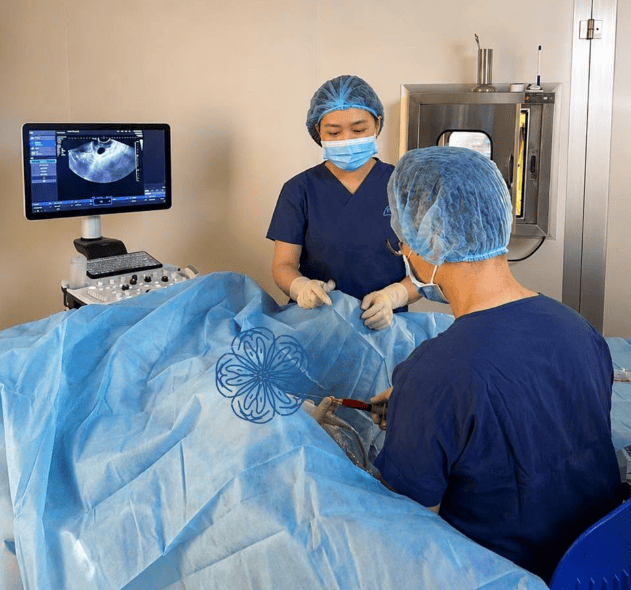
Preimplantation Genetic Testing (PGT) is performed on embryos created through IVF before an embryo is selected for transfer into the uterus.
Different types of PGT are used to evaluate different genetic risks.
PGT-A: Screening for chromosome-number abnormalities
PGT-A focuses on detecting abnormalities in the number of chromosomes.
For example, PGT-A may identify embryos with:
Trisomy 21, associated with Down syndrome.
Trisomy 18, associated with Edwards syndrome.
Trisomy 13, associated with Patau syndrome.
Certain abnormalities involving the sex chromosomes, X and Y.
Other forms of chromosome-number abnormalities.
PGT-A is not designed to look for one specific disease. Its primary purpose is to assess the chromosome copy number of an embryo.
PGT-M: Testing for a specific single-gene disorder
PGT-M is used when a family has a known or suspected risk of a genetic condition caused by a specific gene variant.
Depending on the genetic condition and the family’s specific variant, PGT-M may be considered for conditions such as:
Thalassemia.
Sickle cell disease.
Cystic fibrosis.
Spinal muscular atrophy (SMA).
Huntington disease.
Certain X-linked genetic disorders.
Some hereditary cancer syndromes, including conditions associated with BRCA1 or BRCA2.
Other single-gene disorders.
The conditions that can be tested depend on the specific genetic variant, inheritance pattern, and the laboratory’s ability to develop an appropriate test. Not every single-gene condition can be tested in exactly the same way.
PGT-SR: Testing for structural chromosome abnormalities
PGT-SR may be considered when one of the parents carries certain structural chromosome rearrangements, such as:
Translocations.
Inversions.
Certain deletions.
Certain duplications.
These chromosome rearrangements may increase the risk of embryos having an imbalance in their genetic material.
PGT-SR can help assess this risk before embryo transfer.
2. What Diseases Can PGT-A Detect?
PGT-A primarily detects chromosome-number abnormalities, rather than all genetic diseases.
For example, PGT-A may identify an embryo with an extra copy of chromosome 21, which is associated with trisomy 21 (Down syndrome).
Similarly, PGT-A can identify abnormalities such as trisomy 13, trisomy 18, and certain sex-chromosome abnormalities.
However, it is important to understand:
PGT-A is not a comprehensive genetic or medical screening test for an embryo.
A normal PGT-A result does not mean that the embryo is free from every possible genetic condition.
PGT-A is not designed to detect all disease-causing gene variants, all small structural DNA abnormalities, or every possible developmental condition.
The American College of Obstetricians and Gynecologists (ACOG) notes that PGT has limitations in detecting conditions such as some microdeletions, microduplications, and de novo genetic variants, as well as other abnormalities outside the scope of the specific test.
3. What Genetic Diseases Can PGT-M Detect?
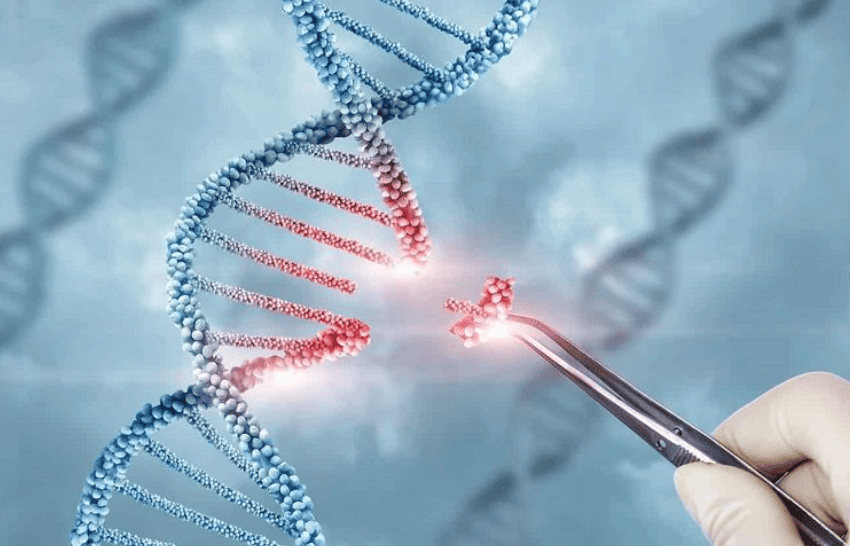
PGT-M can be particularly useful for families with a known risk of a specific single-gene disorder.
If one or both parents are known to carry genetic variants that could cause a condition in their child, a fertility and genetics team may work with a specialized laboratory to develop an appropriate PGT-M test before IVF.
Examples of conditions that may be considered for PGT-M include:
Thalassemia
Thalassemia is a group of inherited blood disorders caused by genetic changes affecting hemoglobin production.
For couples at risk of having a child with a severe form of thalassemia, PGT-M may be considered after the family’s specific genetic variants and inheritance pattern have been established.
Sickle cell disease
Sickle cell disease is an inherited blood disorder associated with variants in the HBB gene.
PGT-M may be considered in families with a known risk of passing the condition to their children.
Cystic fibrosis
Cystic fibrosis is an inherited condition associated with variants in the CFTR gene.
When the disease-causing variants in a family are known, PGT-M may be considered to reduce the risk of passing the condition to a child.
Spinal muscular atrophy (SMA)
SMA is an inherited neuromuscular disorder commonly associated with abnormalities involving the SMN1 gene.
For families with a known risk of SMA, PGT-M may be one of the reproductive options discussed during genetic counseling.
Huntington disease
Huntington disease is a progressive inherited neurological disorder that is typically transmitted in an autosomal dominant pattern.
PGT-M may be considered in some families to reduce the risk of passing the disease-causing genetic variant to a child.
Some hereditary cancer syndromes
PGT-M may also be considered for certain hereditary cancer syndromes, including some conditions associated with BRCA1 or BRCA2 variants.
These cases require careful genetic counseling because cancer risk, penetrance, and clinical expression can vary between different genetic conditions.
4. What Can PGT-SR Detect?
PGT-SR is used when there is a reproductive risk associated with a structural chromosome abnormality in one of the parents.
For example, a parent may carry a balanced chromosome translocation without having obvious health problems.
During the formation of eggs or sperm, however, this chromosome rearrangement may result in embryos with an imbalance of genetic material.
PGT-SR can be used to assess embryos for chromosome imbalances associated with the known parental rearrangement before embryo transfer.
Structural abnormalities relevant to PGT-SR may include:
Translocations.
Inversions.
Deletions.
Duplications.
The ability to detect and classify these abnormalities depends on the specific chromosome rearrangement and the testing method used by the laboratory.
5. Can Embryo Screening Detect Down Syndrome, Edwards Syndrome, and Patau Syndrome?
PGT-A can identify embryos with chromosome abnormalities associated with these conditions.
Specifically:
Trisomy 21: Down syndrome.
Trisomy 18: Edwards syndrome.
Trisomy 13: Patau syndrome.
PGT-A evaluates the number of chromosomes in an embryo and can therefore identify embryos with certain whole-chromosome gains or losses.
However, PGT-A should not be interpreted as an absolute diagnosis of the future fetus.
The biopsy is generally taken from a small number of cells in the trophectoderm of a blastocyst. Because of embryonic mosaicism, the result from the biopsy may not perfectly represent every cell that will eventually contribute to the fetus.
False-positive and false-negative results are also possible.
Therefore, if pregnancy occurs after PGT, patients should still receive appropriate counseling about prenatal genetic screening and diagnostic testing.
6. Can Embryo Screening Detect All Genetic Diseases?
No.
This is one of the most important points for couples to understand before deciding to undergo PGT.
PGT can detect certain genetic abnormalities, but it is not a comprehensive test for every genetic disease or congenital condition.
Some conditions may remain outside the scope of the testing method, including:
Some de novo genetic variants.
Some microdeletions or microduplications.
Certain genetic abnormalities for which a specific test has not been developed.
Some polygenic or multifactorial diseases.
Conditions that are not caused by the type of DNA or chromosome abnormality being tested.
Some abnormalities that develop later during pregnancy or fetal development.
ACOG emphasizes that a normal or negative PGT result does not guarantee that a child will be free from genetic abnormalities.
7. If an Embryo Has a Normal PGT Result, Is the Baby Guaranteed to Be Healthy?
No.
This is one of the most common misunderstandings about embryo screening.
A normal PGT result means that the specific abnormality being tested for was not detected within the limitations of the test.
It does not mean that:
The embryo will definitely implant.
The pregnancy will definitely develop normally.
The baby will definitely have no genetic condition.
The baby will definitely have no congenital abnormality.
In addition, embryo biopsy involves testing a limited number of cells, which creates important limitations in interpretation.
For this reason, after pregnancy is established, patients should still be offered appropriate prenatal genetic screening or diagnostic testing.
ACOG recommends that patients who have undergone PGT-A should still be offered prenatal screening and diagnostic options for chromosome abnormalities. For PGT-M or PGT-SR, confirmatory prenatal diagnostic testing, such as chorionic villus sampling or amniocentesis, should also be discussed.
8. Frequently Asked Questions
Can embryo screening detect Down syndrome?
It can.
PGT-A can identify embryos with an abnormal number of chromosome 21 copies, which is associated with Down syndrome. However, PGT-A does not completely replace prenatal diagnostic testing.
Can embryo screening detect thalassemia?
It can, in appropriate cases, through PGT-M.
The family’s disease-causing genetic variants need to be identified, and the laboratory must be able to develop a suitable PGT-M test.
Can PGT-A detect thalassemia?
Generally, PGT-A is not designed to detect thalassemia.
PGT-A primarily evaluates chromosome number. If the goal is to reduce the risk of passing a single-gene condition such as thalassemia to a child, PGT-M may be considered based on the couple’s specific genetic findings.
Can embryo screening detect genetic diseases inherited from the parents?
It can, when the condition falls within the scope of an appropriate PGT test.
For example, a known single-gene disorder may be evaluated with PGT-M, while certain parental structural chromosome abnormalities may be assessed using PGT-SR.
If my embryo has a normal PGT result, do I still need genetic testing during pregnancy?
Prenatal testing should still be discussed.
PGT does not detect every genetic abnormality and has inherent limitations. Therefore, after pregnancy is established, patients should receive counseling about appropriate prenatal screening and diagnostic options.
Can every genetic disease be tested with PGT-M?
No.
PGT-M can be performed for many single-gene disorders, but not every genetic variant or condition can be tested in the same way.
Some cases require the development of a customized test, which may require additional genetic information from family members and preparation before the IVF cycle begins.
What is the difference between PGT-A, PGT-M, and PGT-SR?
In simple terms:
PGT-A: evaluates chromosome-number abnormalities.
PGT-M: evaluates a specific single-gene disorder.
PGT-SR: evaluates embryos at risk because of a structural chromosome rearrangement.
The appropriate test depends on the couple’s reproductive history, family history, and specific genetic risk.
9. Embryo Screening Consultation with Dr. Le Nhu Ngoc at Hope Fertility Clinic
Not every couple undergoing IVF needs the same type of genetic testing.
At Hope Fertility Clinic, MSc, MD Le Nhu Ngoc can provide individualized counseling, particularly for couples with:
A family history of inherited disease.
A known disease-causing genetic variant in one or both parents.
A previous child affected by a genetic condition.
Recurrent pregnancy loss.
A previous pregnancy affected by a chromosome abnormality.
A known structural chromosome rearrangement in one of the parents.
Multiple unsuccessful IVF cycles or a need for further evaluation of embryo selection strategies.
Before testing, patients should receive clear information about:
Which genetic test is appropriate for their situation.
What the test can detect.
What the test cannot detect.
The possibility of mosaic or inconclusive results.
The possibility that no embryo will be suitable for transfer.
Testing time and additional costs.
Whether a customized PGT-M test needs to be developed for the family.
Whether confirmatory prenatal genetic testing will still be recommended after pregnancy.
The goal of embryo screening is not to find a “perfect embryo.”
The goal is to provide additional genetic information that may help the medical team and the family make a more informed embryo-transfer decision based on the couple’s specific genetic risks and reproductive goals.
📍Address: Hope Clinic, 61 Le Lai, Da Nang.
☎️Hotline/Zalo: 0764 040 519.
🌐Website:https://lenhungoc.com