SHOULD YOU TAKE HORMONE SUPPLEMENTS? WHAT WOMEN NEED TO KNOW ABOUT “HORMONE BALANCE” PRODUCTS - WITH DR. LE NHU NGOC (M.SC.) – HOPE CLINIC, DA NANG - 0764 040 519
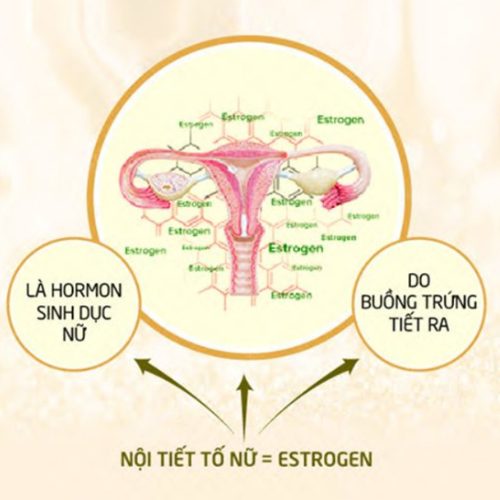
Female hormones, particularly estrogen, play an important role in reproductive health, bone health, the cardiovascular system, the skin, sleep, mood, and sexual well-being. When estrogen levels change, especially during perimenopause and menopause, women may experience symptoms such as hot flashes, vaginal dryness, sleep disturbances, mood changes, or menstrual irregularities.
Because of this, many women consider taking oral hormone supplements or products advertised as helping to “balance hormones,” “rejuvenate the body,” or “stay youthful.” However, not every woman with menopausal or hormone-related symptoms needs hormone therapy, and products marketed as hormone supplements are not necessarily equivalent to medically prescribed hormone treatment.
The most important question is therefore not simply “Should I take hormone supplements?”, but rather “What is causing my symptoms, and what treatment is appropriate and safe for me?”
At Hope Clinic, Da Nang, Dr. Le Nhu Ngoc (M.Sc.) evaluates each woman's symptoms, medical history, reproductive history, age, risk factors, and treatment goals before discussing appropriate management options based on current clinical guidance and evidence-based medicine.
1. What Are “Hormone Supplements”?
The term “hormone supplements” is often used broadly in advertisements and everyday conversations. However, it may refer to very different types of products.
Some products may contain:
Herbal or botanical ingredients.
Vitamins or minerals.
Phytoestrogens or other plant-derived compounds.
Dietary supplements marketed for menopausal symptoms.
Hormonal ingredients or hormone-like substances.
Prescription hormone medications, depending on the specific product.
These products should not automatically be considered interchangeable.
For example, medically prescribed menopausal hormone therapy (MHT) is different from a dietary supplement marketed as a “natural hormone-balancing” product. MHT uses specific hormones at defined doses and is prescribed after a medical assessment of the potential benefits, risks, contraindications, and treatment goals.
Therefore, women should not assume that a product labeled “natural,” “herbal,” or “hormone balancing” is automatically safer or more appropriate.
2. Do All Women With Hormonal Changes Need Hormone Treatment?
No.
Hormone levels naturally change throughout a woman's life. Estrogen levels commonly fluctuate during perimenopause and decline after menopause, but the presence of hormonal changes alone does not mean that every woman requires hormone therapy.
Some women have mild symptoms that do not significantly affect their daily lives and may not require medication.
Depending on the cause and severity of symptoms, management may include:
Lifestyle modifications.
Regular physical activity.
Adequate sleep and stress management.
Appropriate nutrition.
Vaginal moisturizers or lubricants for vaginal symptoms.
Treatment of specific underlying medical conditions.
Non-hormonal medications when appropriate.
Menopausal hormone therapy for selected women after medical evaluation.
The appropriate approach depends on the individual rather than simply on an age or hormone test result.
3. When Can Hormone Therapy Be Considered?
Menopausal hormone therapy may be considered for women experiencing bothersome menopausal symptoms, particularly vasomotor symptoms such as hot flashes and night sweats, and for certain other menopause-related conditions such as genitourinary symptoms.
In appropriate patients, MHT may help improve:
Hot flashes.
Night sweats.
Certain sleep disturbances related to vasomotor symptoms.
Vaginal dryness and other genitourinary symptoms.
Some other symptoms associated with menopause.
Systemic hormone therapy is also effective in preventing bone loss and reducing fracture risk while it is being used.
However, hormone therapy is not suitable for everyone.
Before considering treatment, a physician should assess factors such as:
Age and menopausal status.
Symptoms and their severity.
Menstrual and reproductive history.
Personal medical history.
History of breast or other hormone-sensitive cancers.
Cardiovascular risk factors.
History of blood clots or stroke.
Liver d
Unexplained vaginal bleeding.
Current medications and other relevant health conditions.
The goal is to determine whether the expected benefits outweigh the potential risks for that particular woman.
4. Why Should You Not Self-Medicate With Hormone Products?
Taking hormones without medical assessment can be inappropriate for several reasons.
First: The symptoms may not be caused by low estrogen
Symptoms such as:
Fatig
Poor sleep.
Dry skin.
Hair loss.
Reduced libido.
Changes in menstrual cycles.
can have many possible causes.
Thyroid disorders, anemia, chronic stress, medication effects, sleep disorders, metabolic conditions, and other gynecological problems may produce similar symptoms.
Treating yourself with hormones without identifying the underlying cause may delay the correct diagnosis.
Second: Hormone therapy has contraindications and potential risks
Hormone therapy is not simply a supplement that can be taken by everyone.
Depending on the individual and the type of therapy, potential risks may include:
Venous thromboembolism.
Gallbladder problems.
Breast-related risks associated with certain hormone regimens and durations.
Abnormal or unexpected vaginal bleeding requiring evaluation.
The balance between benefits and risks varies according to the individual's age, health status, route of administration, type of hormone, dose, duration, and other factors.
Third: “Natural” does not automatically mean safe
A product being described as “natural,” “herbal,” or “plant-based” does not guarantee that it is effective, safe, or appropriate for every woman.
Some dietary supplements may also have variable ingredients, uncertain evidence of effectiveness, or interactions with medications.
5. What About Phytoestrogens and “Natural Estrogen”?
Some supplements contain compounds known as phytoestrogens, which are naturally occurring plant compounds that can interact with estrogen receptors.
Soy isoflavones are one commonly discussed example.
However, phytoestrogens are not the same thing as prescription estrogen, and their effects cannot simply be assumed to be equivalent to menopausal hormone therapy.
Some women may experience symptom improvement with particular supplements, but evidence varies depending on the product, ingredient, dose, and symptom being treated.
Therefore, women should discuss supplement use with a healthcare professional, particularly if they:
Have a history of breast cancer or another hormone-sensitive cancer.
Take prescription medications.
Have liver disease.
Have a history of blood clots.
Are pregnant or trying to become pregnant.
Have unexplained vaginal bleeding.
6. What Is the Difference Between Hormone Supplements and MHT?
This is an important distinction.
Menopausal Hormone Therapy (MHT) is a medically supervised treatment using estrogen, with or without a progestogen depending on whether the woman has a uterus and her individual clinical circumstances.
By contrast, products sold as “hormone supplements” may be dietary supplements, herbal preparations, phytoestrogen products, or other formulations. They should not automatically be considered a substitute for MHT.
MHT
Uses defined hormonal medications.
Has specific indications.
Requires assessment of benefits and risks.
The regimen is selected according to the woman's clinical situation.
Requires appropriate follow-up.
Dietary or “hormone-balancing” supplements
May contain vitamins, minerals, herbs, or plant compounds.
May have limited or variable evidence for specific menopausal symptoms.
Are not equivalent to prescription hormone therapy.
May interact with medications or be unsuitable for some individuals.
If a woman has significant menopausal symptoms, choosing an appropriate treatment should be based on medical evaluation rather than advertising claims.
7. Does Everyone Need a Hormone Blood Test Before Taking Hormones?
Not necessarily.
For many women aged 45 or older with typical menopausal symptoms, perimenopause or menopause can often be identified based on the clinical history and symptoms rather than routinely measuring hormone levels.
Hormone levels can fluctuate substantially during perimenopause, which means a single blood test may not accurately represent a woman's overall hormonal status.
However, hormone testing may be appropriate in selected situations, particularly when:
The diagnosis is unclear.
Menopause occurs at an unusually young age.
There are symptoms that do not fit the typical pattern.
The physician suspects another endocrine disorder.
Additional evaluation is needed based on the woman's medical history.
The decision to perform laboratory testing should therefore be individualized.
8. What About “Hormone-Balancing” Supplements Made From Herbal Ingredients?
This is a question many women are concerned about.
Some products contain phytoestrogens, isoflavones, or plant-derived ingredients and are marketed as helping to reduce perimenopausal and menopausal symptoms.
However, it is important to understand that:
Not all products have clear evidence of effectiveness.
The ingredients and concentrations may vary between different products.
The effects of one product cannot automatically be assumed to apply to all other products.
“Natural” does not automatically mean “completely safe.”
Dietary supplements should not be considered substitutes for MHT when hormone therapy is medically indicated.
Reviews of non-hormonal treatments indicate that evidence for some dietary supplements and phytoestrogens remains inconsistent. NICE also highlights inconsistencies in the composition of some herbal, isoflavone, and phytoestrogen preparations.
Therefore, if you are currently using or considering a “hormone-balancing” product, you should tell your doctor the exact product name and ingredients rather than relying solely on advertising claims.
9. Three Common Misconceptions About Female Hormone SupplementsMisconception 1: If I have insomnia or vaginal dryness, I must take estrogen
Not necessarily.
These symptoms may be associated with declining estrogen levels, but they can also have many other causes.
Your doctor should evaluate your overall symptoms and health status before determining whether hormone therapy is appropriate.
Misconception 2: “Hormone-balancing” supplements are safe because they are dietary supplements
This should not be assumed.
Dietary supplements are not the same as prescription hormone medications and should not automatically be considered equivalent to MHT.
In particular, being described as “natural,” “herbal,” or containing “phytoestrogens” does not prove that a product is suitable for everyone.
Misconception 3: The longer I take hormones, the better
This is not accurate.
Hormone therapy should be reviewed periodically to reassess its benefits and risks. There is no single treatment duration that is appropriate for every woman.
Some women may continue treatment when symptoms remain significant, but the decision should be individualized and accompanied by appropriate follow-up.
10. What Will Your Doctor Evaluate Before Recommending Hormone Therapy?
Before deciding whether hormone therapy is appropriate, your doctor may assess:
Your age and whether you are in the perimenopausal or menopausal stage.
The symptoms you are experiencing.
When the symptoms first began.
Your menstrual cycle history.
Your obstetric and gynecological history.
Your personal medical history.
Any history of blood clots or cardiovascular disease.
A history of breast cancer or other relevant cancers.
Medications you are currently taking.
Whether you still have your uterus or have undergone a hysterectomy.
Other risk factors associated with hormone therapy.
Depending on your individual situation, your doctor may recommend a gynecological examination or additional tests when clinically indicated.
Not every woman needs hormone testing to assess menopause, and a single hormone test should not be used as the sole basis for deciding to take hormone therapy.
The goal of the consultation is to identify the actual problem that needs treatment, rule out other possible causes, and select the treatment approach with the most appropriate balance of benefits and risks for you.
11. Frequently Asked Questions (FAQ)Should I buy female hormone supplements on my own?
No.
If the product contains therapeutic hormones, its use should be based on an appropriate medical assessment and medical indication.
If it is a dietary supplement, you should still check its ingredients and source and discuss its use with your doctor, especially if you have an existing medical condition or are taking other medications.
Can taking estrogen help me stay young longer?
Estrogen should not be considered a “rejuvenation” medication.
Hormone therapy may improve certain menopause-related symptoms in appropriate women, but this does not mean that it can stop the overall aging process.
Does vaginal dryness always require oral hormone therapy?
No.
If vaginal dryness is related to genitourinary syndrome of menopause, your doctor may consider several treatment options. In some cases, low-dose vaginal estrogen may be more appropriate than systemic hormone therapy.
I still have my periods but experience hot flashes and insomnia. Can I use hormone therapy?
You may need to be evaluated, but you should not purchase and take hormone medication on your own.
These symptoms can occur during the menopausal transition and should be assessed based on your age, symptoms, menstrual cycle, medical history, and individual risk factors.
Can hormone supplements cause weight gain?
You should not automatically assume that MHT causes weight gain.
The Menopause Society states that hormone therapy has not been shown to be the cause of weight gain. Changes in body weight during midlife can be influenced by many different factors.
Can “hormone-balancing” supplements replace MHT?
You should not assume that these products are equivalent.
MHT is hormone therapy used for specific medical treatment goals, whereas dietary supplements may contain phytoestrogens or herbal ingredients with varying levels of evidence.
When should I see a doctor?
You should consider seeing a doctor if you experience:
Persistent hot flashes or night sweats.
Insomnia or poor-quality sleep.
Vaginal dryness or pain during intercourse.
Reduced sexual desire.
Irregular menstrual cycles.
Persistent mood changes.
Symptoms that affect your work, daily activities, or quality of life.
You are considering hormone therapy or a “hormone-balancing” product.
In particular, any abnormal vaginal bleeding after menopause should be medically evaluated rather than treated by taking hormone products on your own.
12. Hormone Health Consultation With Dr. Le Nhu Ngoc
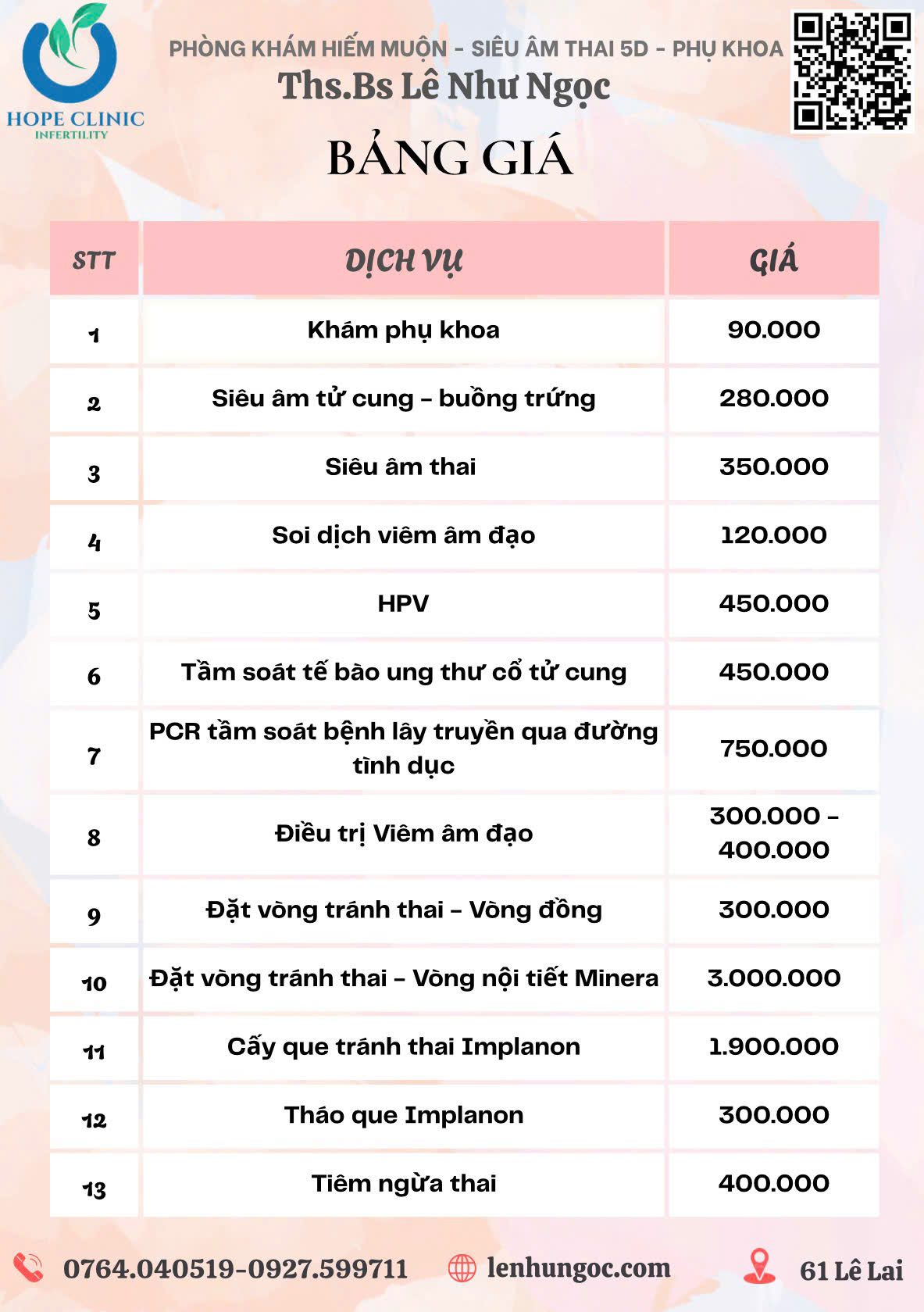
Not every woman who experiences vaginal dryness, insomnia, hot flashes, or reduced sexual desire needs to take hormone supplements.
What matters more is determining:
What symptoms are you experiencing → What is causing them → Do they require treatment → If treatment is needed, which approach is most appropriate and safest for you?
At Hope Clinic, Da Nang, Dr. Le Nhu Ngoc provides direct consultation and evaluation for women's health concerns during perimenopause and menopause.
The decision to use hormone therapy or non-hormonal approaches is based on each woman's symptoms, age, medical history, individual risk factors, and treatment needs.
The goal is not to “take hormones as early as possible,” but to treat the right problem, in the right patient, with appropriate follow-up.
📍 Hope Clinic – Dr. Le Nhu Ngoc (M.Sc.)
Address: 61 Le Lai, Hai Chau District, Da Nang
☎️ Hotline/Zalo: 0764 040 519
🌐 Website: lenhungoc.com
 The term “hormone supplements” is often used broadly in advertisements and everyday conversations. However, it may refer to very different types of products.
Some products may contain:
The term “hormone supplements” is often used broadly in advertisements and everyday conversations. However, it may refer to very different types of products.
Some products may contain:
 Menopausal hormone therapy may be considered for women experiencing bothersome menopausal symptoms, particularly vasomotor symptoms such as hot flashes and night sweats, and for certain other menopause-related conditions such as genitourinary symptoms.
In appropriate patients, MHT may help improve:
Menopausal hormone therapy may be considered for women experiencing bothersome menopausal symptoms, particularly vasomotor symptoms such as hot flashes and night sweats, and for certain other menopause-related conditions such as genitourinary symptoms.
In appropriate patients, MHT may help improve:
 Not every woman who experiences vaginal dryness, insomnia, hot flashes, or reduced sexual desire needs to take hormone supplements.
What matters more is determining:
What symptoms are you experiencing → What is causing them → Do they require treatment → If treatment is needed, which approach is most appropriate and safest for you?
At Hope Clinic, Da Nang, Dr. Le Nhu Ngoc provides direct consultation and evaluation for women's health concerns during perimenopause and menopause.
The decision to use hormone therapy or non-hormonal approaches is based on each woman's symptoms, age, medical history, individual risk factors, and treatment needs.
The goal is not to “take hormones as early as possible,” but to treat the right problem, in the right patient, with appropriate follow-up.
📍 Hope Clinic – Dr. Le Nhu Ngoc (M.Sc.)
Address: 61 Le Lai, Hai Chau District, Da Nang
☎️ Hotline/Zalo: 0764 040 519
🌐 Website: lenhungoc.com
Not every woman who experiences vaginal dryness, insomnia, hot flashes, or reduced sexual desire needs to take hormone supplements.
What matters more is determining:
What symptoms are you experiencing → What is causing them → Do they require treatment → If treatment is needed, which approach is most appropriate and safest for you?
At Hope Clinic, Da Nang, Dr. Le Nhu Ngoc provides direct consultation and evaluation for women's health concerns during perimenopause and menopause.
The decision to use hormone therapy or non-hormonal approaches is based on each woman's symptoms, age, medical history, individual risk factors, and treatment needs.
The goal is not to “take hormones as early as possible,” but to treat the right problem, in the right patient, with appropriate follow-up.
📍 Hope Clinic – Dr. Le Nhu Ngoc (M.Sc.)
Address: 61 Le Lai, Hai Chau District, Da Nang
☎️ Hotline/Zalo: 0764 040 519
🌐 Website: lenhungoc.com