
WHAT IS EMBRYO SCREENING? THE IVF EMBRYO SCREENING PROCESS FROM A TO Z– MSC. MD LE NHU NGOC – 61 LE LAI CLINIC – 0764 040 519
During in vitro fertilization (IVF), embryos can be assessed not only by their appearance and development but, in selected cases, through genetic testing before embryo transfer. This is commonly referred to as embryo screening.
Embryo screening involves analyzing genetic material from a small number of cells taken from an embryo before it is transferred into the uterus. Depending on the purpose of testing, it may identify certain chromosome abnormalities, specific genetic disorders, or structural chromosome abnormalities.
However, embryo screening is not required for every IVF cycle, and it cannot guarantee implantation, a healthy pregnancy, or a baby completely free of genetic or other medical conditions. Whether testing is appropriate depends on factors such as age, reproductive history, genetic risk, and the number of embryos available.
1. What Is Embryo Screening and What Is Its Purpose?
Embryo screening is a commonly used term for preimplantation genetic testing (PGT), which analyzes an embryo’s genetic material before the embryo is transferred into the uterus.
During IVF, eggs and sperm are combined in the laboratory to create embryos. The embryos are cultured until they reach the blastocyst stage. When appropriate, an embryologist removes a small number of cells from the outer layer of the blastocyst for genetic testing. The embryo is usually frozen while the sample is being analyzed.
Depending on the clinical purpose, PGT may include:
PGT-A: testing for abnormalities in chromosome number.
PGT-M: testing for a specific genetic disorder caused by a single-gene condition.
PGT-SR: testing for certain structural chromosome abnormalities, such as chromosomal translocations.
Therefore, when a patient refers to “embryo screening,” it is important to clarify which type of genetic testing is being considered.
PGT-A is intended to identify embryos with an appropriate chromosome number and may assist with embryo selection for transfer. However, current professional guidance does not recommend PGT-A as a routine test for every IVF patient.
2. Who May Be Considered for Embryo Screening?

Not every patient undergoing IVF needs genetic testing of their embryos.
Depending on the individual situation, PGT may be considered when:
One or both partners are known carriers of a genetic condition that could be passed on to their child.
One partner has a structural chromosome abnormality that may increase the risk of abnormal embryos.
There is a previous pregnancy or child affected by a specific genetic disorder.
There is a particular reproductive history in which genetic testing may provide useful information.
The patient and their fertility specialist are considering PGT-A as part of the IVF treatment plan.
For couples at risk of passing on a specific single-gene disorder, PGT-M usually requires preparation before the IVF cycle begins. Genetic counseling and laboratory preparation may be needed to develop a testing strategy specific to the family.
On the other hand, being older, having reduced ovarian reserve, or having experienced previous IVF failure does not automatically mean that embryo screening is necessary.
The decision should be individualized after discussing the potential benefits, limitations, costs, and expected number of embryos available for testing.
How Is Embryo Screening Different from Embryo Morphology Assessment?
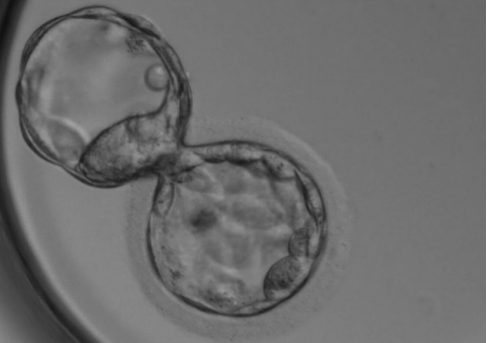
These two concepts are often confused.
Embryo morphology assessment involves observing the embryo under a microscope and evaluating characteristics such as its rate of development, degree of blastocyst expansion, and the appearance of its cellular structures.
Genetic testing, on the other hand, analyzes genetic material obtained from a small number of cells removed from the embryo.
In simple terms:
Morphology assessment → evaluates how the embryo looks and develops.
Genetic testing → analyzes genetic material from sampled embryo cells.
The two approaches provide different types of information and may be used together.
An embryo with an excellent appearance is not necessarily free from chromosome abnormalities. Conversely, an embryo with a favorable genetic test result is not guaranteed to implant, develop normally, or result in a healthy live birth.
For this reason, PGT results should always be interpreted within the overall clinical context of the IVF treatment.
4. What Is the Embryo Screening Process in IVF?
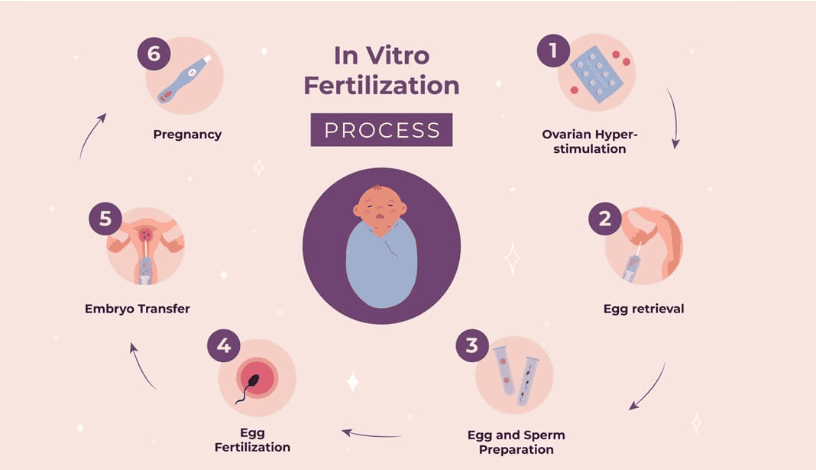
The process can generally be divided into the following steps.
Step 1: Pre-IVF consultation and evaluation
The fertility specialist reviews the patient’s age, reproductive history, medical conditions, family history, and potential genetic risks.
If testing for a specific inherited disorder is being considered, genetic counseling and additional testing may be recommended before the IVF cycle begins.
Step 2: Ovarian stimulation and egg retrieval
The woman receives ovarian stimulation medication according to her individualized treatment plan.
Once the follicles reach an appropriate stage of development, the eggs are retrieved.
The partner’s sperm is collected and prepared according to the treatment plan.
Step 3: Fertilization and embryo culture
The eggs and sperm are combined in the laboratory to create embryos.
Depending on the circumstances, fertilization may be performed through conventional insemination or intracytoplasmic sperm injection (ICSI).
The embryos are then cultured under controlled laboratory conditions.
Step 4: Blastocyst development
Not every embryo continues developing to the blastocyst stage.
Only embryos that develop sufficiently may be considered for biopsy and genetic testing.
Step 5: Embryo biopsy
At the blastocyst stage, an embryologist removes a small number of cells from the outer layer of the embryo for genetic analysis.
The inner cell mass, which contributes to the development of the fetus, is not the target of routine blastocyst biopsy. However, because mosaicism can occur, the cells sampled may not always represent every cell within the embryo.
Step 6: Embryo freezing and genetic testing
Following biopsy, the embryo is generally vitrified and stored while the biopsy sample is analyzed by a genetics laboratory.
The laboratory performs the specific genetic test requested, depending on whether the purpose is to assess chromosome number, a known genetic disorder, or a structural chromosome abnormality.
Step 7: Receiving the test results
Results may indicate:
An embryo with a result considered suitable for the intended type of testing.
An embryo with a genetic abnormality.
A mosaic result in some cases.
An inconclusive or insufficient result.
Not every result can simply be classified as “good” or “bad.” In particular, mosaic results require careful interpretation by fertility and genetics specialists before deciding whether an embryo may be considered for transfer.
Step 8: Endometrial preparation and embryo transfer
Once the genetic results are available and an appropriate embryo has been selected, the fertility team prepares the uterine lining for embryo transfer.
The embryo is thawed and transferred into the uterus according to the treatment plan.
5. Does Embryo Screening Increase IVF Success Rates?
This is one of the most common questions patients ask.
The answer is: embryo screening does not necessarily increase the chance of a live birth for every IVF patient.
For PGT-A, current evidence does not support routine use for all IVF patients. Studies have shown that the overall reproductive outcomes following frozen embryo transfer may be similar between selected groups undergoing IVF with PGT-A and those undergoing IVF without PGT-A.
PGT-A may offer potential advantages in selected situations. For example, it may help identify embryos with certain chromosome abnormalities and may reduce the number of embryo transfers involving embryos with abnormal chromosome numbers in some patient groups.
However, PGT also has limitations:
It adds additional cost to IVF treatment.
It requires embryo biopsy.
Some embryos may not produce a conclusive result.
Mosaic results can occur.
False-positive and false-negative results are possible.
Not every embryo reaches the blastocyst stage and becomes available for biopsy.
A genetically favorable result does not guarantee implantation or a live birth.
Therefore, embryo screening should not be presented as a procedure that guarantees a higher chance of pregnancy.
6. Can Embryo Screening Identify a Completely Healthy Embryo?
No.
This is one of the most important points for patients to understand before deciding to undergo PGT.
Genetic testing can only assess the specific genetic characteristics included within the test. It cannot detect every possible genetic, developmental, or medical condition.
For example:
PGT-A primarily evaluates chromosome number.
PGT-M focuses on a specific single-gene disorder.
PGT-SR evaluates certain structural chromosome abnormalities.
In addition, the genetic result is based on a small sample of cells from the embryo. Because of mosaicism, the genetic profile of the sampled cells may not always perfectly represent every cell in the embryo.
Therefore, even when an embryo receives a favorable PGT result, pregnancy still requires appropriate prenatal screening and, when indicated, diagnostic testing.
PGT does not completely replace prenatal genetic testing during pregnancy.
7. What Should Be Prepared Before Embryo Transfer After Genetic Testing?
Once the genetic results are available, the fertility specialist evaluates the embryos together with the woman’s reproductive and uterine condition before planning embryo transfer.
Factors that may be considered include:
The genetic test result of each embryo.
Embryo morphology and developmental stage.
The number of embryos remaining.
Endometrial thickness and appearance.
The condition of the uterine cavity.
Hormonal and general health factors.
Previous embryo transfer history.
Previous implantation or IVF outcomes.
If an embryo is considered appropriate for transfer, the decision should be based on the complete clinical picture rather than on the genetic result alone.
After embryo transfer and confirmation of pregnancy, the patient should continue routine prenatal care and undergo appropriate prenatal screening or diagnostic testing when indicated.
8. Frequently Asked Questions
What is embryo screening?
Embryo screening commonly refers to preimplantation genetic testing, or PGT, performed on embryos before transfer. Depending on the indication, it may assess chromosome abnormalities, specific single-gene disorders, or certain structural chromosome abnormalities.
Is embryo screening mandatory for IVF?
No. PGT is not mandatory for every IVF cycle. Whether it is appropriate depends on the patient’s genetic risk, reproductive history, treatment goals, and other clinical factors.
Does embryo screening increase IVF success rates?
Not necessarily for everyone. The potential benefits of PGT depend on the patient’s individual circumstances, and current evidence does not support routine PGT-A for all IVF patients.
Can embryo screening identify the healthiest embryo?
It can provide important genetic information, but it cannot identify an embryo that is guaranteed to result in a healthy baby. PGT only evaluates the specific genetic characteristics included in the test.
Can embryo screening affect the embryo?
Embryo biopsy is an invasive laboratory procedure and therefore requires appropriate technical expertise. Blastocyst biopsy is widely used in current PGT practice, but patients should still be informed about the potential risks and limitations of the procedure.
Can embryo screening determine the baby’s sex?
Some genetic tests can identify sex chromosomes. However, the use of this information for sex selection depends on local laws, regulations, and ethical standards. The primary medical purpose of PGT is to address genetic and reproductive health risks rather than non-medical sex selection.
Should an embryo with an abnormal result always be discarded?
Not necessarily. The appropriate approach depends on the type of genetic result. Mosaic findings, in particular, require individualized counseling by fertility and genetics specialists before a decision is made.
Do I still need prenatal testing after embryo screening?
Yes. PGT does not replace prenatal screening or diagnostic testing. Once pregnancy is established, appropriate prenatal evaluation should still be discussed with the obstetric care team.
Embryo Screening Consultation with Dr. Le Nhu Ngoc at Hope Fertility Clinic
Embryo screening can be valuable in carefully selected situations, but it should not be considered a mandatory step or a guarantee of IVF success.
At Hope Fertility Clinic, MSc, MD Le Nhu Ngoc can provide individualized counseling based on:
The woman’s age and reproductive history.
Family history of inherited genetic disorders.
Previous pregnancies or children affected by genetic conditions.
Genetic test results of both partners when indicated.
The expected number and quality of embryos.
Previous IVF or embryo transfer outcomes.
Uterine and endometrial conditions.
The couple’s reproductive goals.
When PGT is being considered, patients can receive detailed information about which type of testing may be appropriate, what the test can and cannot detect, possible results, limitations, expected costs, and how different results may affect embryo selection and transfer.
The goal is not to recommend embryo screening for every IVF patient, but to help each couple understand its potential benefits and limitations so they can
📍 Address: Hope Clinic, 61 Le Lai, Da Nang.
☎️ Hotline/Zalo: 0764 040 519.
🌐 Website:https://lenhungoc.com