
SEIS EMBRYO SCREENING 100% ACCURATE? UNDERSTANDING THE LIMITATIONS OF PGT– MSC. MD LE NHU NGOC – 61 LE LAI CLINIC – 0764 040 519
Preimplantation genetic testing (PGT) can provide valuable information about certain genetic and chromosomal abnormalities in embryos before an embryo is transferred during IVF. However, PGT is not 100% accurate, and it cannot detect every possible genetic or developmental condition.
The accuracy and clinical value of PGT depend on the type of test performed, the condition being investigated, the biopsy sample, and how the results are interpreted. Understanding these limitations can help patients make informed decisions before undergoing embryo testing.
1. Is Embryo Screening 100% Accurate?

No. PGT is a highly useful genetic testing tool, but no PGT test can provide absolute certainty.
During PGT-A, for example, a small number of cells are typically removed from the trophectoderm of a blastocyst for genetic analysis. The trophectoderm primarily contributes to the placenta, while the fetus develops from the inner cell mass.
Because only a small sample is tested, the result may not always represent the genetic makeup of every cell in the embryo. This is one of the key reasons why PGT cannot be considered 100% accurate.
A “normal” PGT result therefore means that no abnormality was detected within the scope and limitations of the test. It does not mean that the embryo is guaranteed to develop into a baby without any genetic or health condition.
2. Why Are PGT Results Not 100% Accurate?
Several factors can affect the accuracy and interpretation of PGT results, including:
Mosaicism: different groups of cells within the same embryo may have different chromosome profiles.
Limited biopsy sampling: only a small number of cells are analyzed.
Technical factors: DNA amplification and laboratory procedures can introduce errors.
Sample contamination: external DNA may affect the analysis in some circumstances.
Limitations of the testing method: some genetic abnormalities are outside the scope of a particular PGT test.
Inconclusive or no-result findings: sometimes the laboratory cannot obtain a reliable result from the biopsy.
ASRM notes that an abnormal or mosaic signal in PGT-A may reflect true mosaicism, but it can also be influenced by technical factors such as DNA amplification, contamination, or limitations related to the biopsy sample.
For this reason, PGT results should always be interpreted in the context of the individual patient’s clinical and reproductive history.
3. What Is Mosaicism and Why Does It Matter?
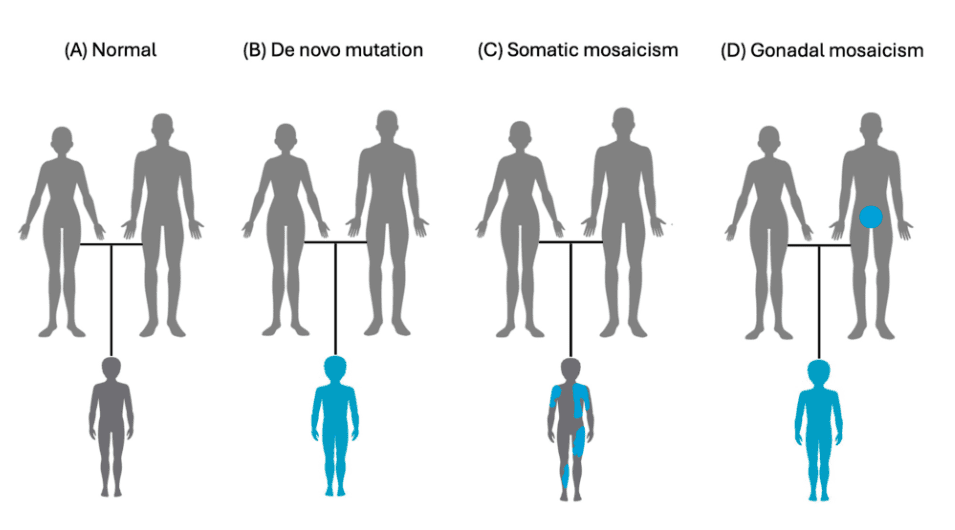
Mosaicism means that an embryo contains two or more populations of cells with different chromosome profiles.
This is particularly important in PGT-A because the test does not analyze every cell in the embryo. Instead, the laboratory examines the cells collected during the biopsy.
As a result, a mosaic PGT-A result does not necessarily mean that every cell in the embryo is abnormal.
At the same time, mosaic results should not simply be treated as normal. Some embryos reported as mosaic have resulted in pregnancies, but the clinical implications can vary depending on the chromosome involved and the characteristics of the mosaic result.
If a mosaic result is reported, patients should receive appropriate counseling to understand what the result may mean before deciding whether an embryo should be considered for transfer.
4. Can PGT Produce False-Positive or False-Negative Results?
Yes. False-positive and false-negative results are possible with PGT.
A false-negative result occurs when an abnormality is present but is not detected by the test.
A false-positive result occurs when the test indicates an abnormality that does not accurately represent the genetic status of the entire embryo.
ACOG notes that false-positive and false-negative PGT results can occur. Therefore, a negative PGT result should not be interpreted as a guarantee that a pregnancy or baby will have no genetic abnormalities.
This distinction is important for patients who may otherwise interpret a “normal” PGT result as meaning that the embryo is completely free of genetic abnormalities.
5. Can Embryo Screening Detect All Genetic Diseases?
No.
Different types of PGT are designed to answer different genetic questions:
PGT-A primarily evaluates chromosome-number abnormalities, known as aneuploidy.
PGT-M is used to test for specific single-gene disorders when the relevant genetic condition or variant is known.
PGT-SR is used when there is a risk of certain structural chromosome abnormalities, such as translocations or inversions.
PGT is therefore not a comprehensive genetic health check for an embryo.
Some genetic changes and medical conditions may not be detectable with the particular PGT method being used. ACOG notes limitations in detecting certain microdeletions, microduplications, de novo variants, imprinting disorders, and other abnormalities outside the scope of the test.
For this reason, the decision to perform PGT should be based on the specific genetic risk, reproductive history, and goals of the individual or couple.
6. If PGT Is Normal, Is Prenatal Testing Still Needed?

Prenatal screening and diagnostic testing may still be recommended.
PGT is performed before embryo transfer, while prenatal testing takes place after pregnancy has been established. These tests serve different purposes and provide information at different stages.
Depending on the pregnancy and individual risk factors, your healthcare provider may discuss:
Non-invasive prenatal testing (NIPT).
Ultrasound examinations and other routine prenatal screening.
Chorionic villus sampling (CVS).
Amniocentesis.
ACOG recommends that patients who undergo PGT-A should still receive counseling about prenatal screening and diagnostic testing options. After PGT-M or PGT-SR, prenatal diagnostic testing may also be offered to confirm the PGT result.
This does not mean that PGT is ineffective. Rather, PGT and prenatal testing answer different clinical questions, and neither test can identify every possible condition.
7. What Should You Know Before Deciding to Have Embryo Screening?
Before starting PGT, it is helpful to understand several practical and medical considerations.
Not every embryo will necessarily be suitable for biopsy.
Some embryos may not develop to the blastocyst stage or may not be suitable for biopsy.
The number of embryos available for transfer may decrease after testing.
Some embryos may receive an abnormal, mosaic, inconclusive, or no-result finding.
A mosaic result may require additional counseling.
The meaning of a mosaic result depends on the specific finding and may affect decisions about embryo transfer.
PGT does not screen for every genetic condition.
The conditions that can be detected depend on the specific type of PGT and the testing method used.
PGT-M may require a customized testing process.
For families at risk of a specific single-gene disorder, the laboratory may need to develop a family-specific testing strategy before IVF. ASRM notes that this process can require additional time and that testing may not always be technically feasible for every genetic condition or variant.
The decision should also consider cost and the expected number of embryos.
PGT is not automatically appropriate for everyone undergoing IVF. The potential benefits, limitations, costs, and alternatives should be discussed before testing begins.
8. Frequently Asked Questions
Is embryo screening 100% accurate?
No. PGT can produce false-positive, false-negative, mosaic, inconclusive, or no-result findings. A normal PGT result does not guarantee that a baby will have no genetic or other health conditions.
Does a normal PGT-A result mean the embryo is completely healthy?
No. PGT-A primarily evaluates chromosome number within the scope of the test. It does not assess every possible genetic condition, developmental issue, or health problem.
Can a mosaic embryo be transferred?
In some circumstances, a mosaic embryo may be considered for transfer. However, the decision should be individualized and based on the specific PGT result, available alternatives, and appropriate genetic counseling.
Is NIPT or amniocentesis still needed after PGT?
It depends on the individual pregnancy. Patients who have undergone PGT should still be counseled about appropriate prenatal screening and diagnostic options. PGT does not completely replace prenatal testing.
Does everyone undergoing IVF need PGT-A?
No. Current evidence does not support routine PGT-A for every patient undergoing IVF. Whether PGT-A may be useful depends on the individual’s clinical circumstances, reproductive history, genetic considerations, and treatment goals.
9. Embryo Screening Consultation with Dr. Le Nhu Ngoc at Hope Fertility Clinic
Embryo screening can provide valuable information during IVF, but it is not a test that can predict every aspect of a future baby’s health.
At Hope Fertility Clinic, Dr. Le Nhu Ngoc can help patients understand whether PGT may be appropriate based on factors such as:
Age and reproductive history of both partners.
Family history of genetic disorders.
Previous genetic test results.
The expected number and quality of embryos.
Previous IVF or embryo transfer outcomes.
Uterine and endometrial factors.
Reproductive goals.
The type of PGT that may be relevant.
What the selected test can and cannot detect.
The possibility of mosaic, inconclusive, or no-result findings.
The role of prenatal screening or diagnostic testing after PGT.
The goal of consultation is not to recommend embryo screening routinely, but to help each patient or couple understand the potential benefits, limitations, possible outcomes, and implications of testing before making a decision.
📍Address: Hope Clinic, 61 Le Lai, Da Nang.
☎️Hotline/Zalo: 0764 040 519.
🌐Website:https://lenhungoc.com