
HOW MUCH DOES EMBRYO SCREENING COST? FACTORS THAT DETERMINE THE PRICE – MSC, MD LE NHU NGOC – 0764 040 519
There is no single fixed price for embryo screening. Cost depends on the type of preimplantation genetic testing, the number of embryos biopsied and analyzed, the laboratory’s pricing model, and related services such as freezing, storage, or sample transport.
A patient education page from Tam Anh General Hospital, updated in late 2025, cites a reference price of approximately VND 15–20 million per embryo. This is not a Hope Clinic price list and should not be treated as a current quotation for every provider. Actual prices may be lower or higher and may be charged per embryo, per embryo group, or as a service package.
To estimate the amount required, patients should distinguish the embryo-testing fee from the total cost of IVF. A complete quotation should state what is included, what is billed separately, and what happens if a sample produces no result or requires another biopsy.
1. How much does embryo screening cost?

For the genetic analysis component alone, a publicly cited range of VND 15–20 million per embryo can be used as a reference point in Vietnam. This figure may change with time, provider, test type, and embryo number.
For example, if a provider applies a strict rate of VND 15–20 million to each embryo, analysis of three embryos could total approximately VND 45–60 million. This is an illustration, not a quotation, because many laboratories charge a base fee for the first embryo group and an additional amount for each extra embryo.
If the calculation includes ovarian stimulation, egg retrieval, fertilization, blastocyst culture, biopsy, testing, freezing, and embryo transfer, the total will be substantially higher. Patients should therefore confirm whether they are being quoted for genetic testing alone or for an entire IVF cycle with embryo screening.
2. What costs are commonly included in embryo screening?
Embryo screening involves several steps. Depending on the provider’s price structure, the following items may be bundled or billed separately:
• Clinical and genetic counseling before testing.
• Embryo culture to a stage suitable for biopsy, commonly the blastocyst stage.
• Removal of several cells from each embryo and sample preparation.
•Genetic analysis using PGT-A, PGT-M, or PGT-SR, as indicated.
• Embryo freezing after biopsy and storage for a defined period.
• Transport of biopsy samples when analysis is performed at another laboratory.
• Result reporting, result interpretation, and counseling about embryo selection for transfer.
Ovarian stimulation medication, egg retrieval, fertilization, embryo culture, embryo transfer, and endometrial preparation medication may not be included in the screening fee. Request an itemized estimate so that the testing fee is not confused with the full treatment cost.
3. How does the type of PGT affect cost?
The testing objective determines the laboratory workflow and preparation required, so it can affect cost.
• PGT-A evaluates chromosome-number abnormalities. Charges commonly relate to the number of embryos analyzed and the laboratory’s package structure.
• PGT-M targets a specific single-gene condition in a family. Some cases require samples from relatives, confirmation of the familial variant, and development of a customized analysis before embryos are tested.
• PGT-SR evaluates chromosome structural rearrangements such as translocations or inversions. The workflow may need to be adapted to the rearrangement already identified in one parent.
PGT-M or PGT-SR may involve a separate test-development charge, but one test type should not automatically be assumed to cost more in every case. The estimate should reflect the condition being investigated, the genetic records, and the laboratory method.
4. How does the number of embryos affect the total cost?
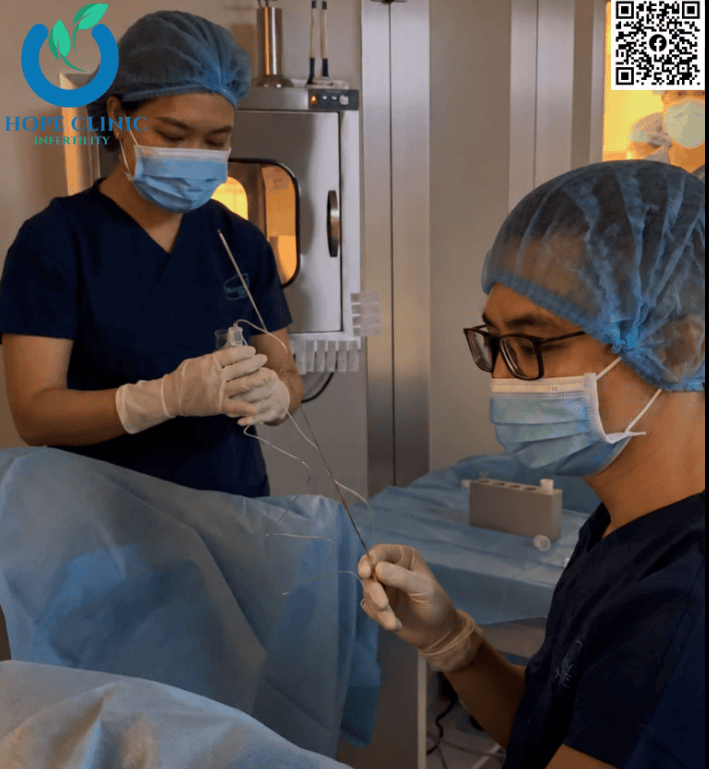
The number of embryos biopsied and sent for analysis is one of the most direct cost drivers. When pricing is per embryo, the total usually increases as more embryos are tested. The increase may not be completely linear when a provider charges by embryo group or applies a base fee for each testing cycle.
The expected embryo number before IVF is only an estimate. Not every egg fertilizes, not every embryo reaches the blastocyst stage, and not every blastocyst is suitable for biopsy. An initial estimate should therefore include several scenarios based on the actual number of embryos rather than one fixed total.
Patients should also ask whether embryos created in a later cycle can be added to the same testing group or require a new laboratory run.
5. What other factors can change the cost?
In addition to test type and embryo number, the total may change because of the following factors:
• The analysis method, resolution, and laboratory performing the test.
•Whether embryos are already frozen or are biopsied during a new IVF cycle.
• Thawing, biopsy, and refreezing charges when previously stored embryos are tested.
• Sample transport, preservation, and quality-control requirements between facilities.
• Customized PGT-M or PGT-SR preparation and the number of relatives whose samples are required.
• Policies for an inadequate sample, an inconclusive result, or a repeat biopsy.
• The duration of embryo storage and the number of future transfer attempts.
A lower price does not necessarily mean fewer services are included, and a higher price does not automatically guarantee a better outcome. Compare quotations using the same service scope, embryo number, and policy for additional charges.
6. How should an embryo screening quotation be compared?
Two quotations may differ because they cover different services. Before comparing totals, ask the provider to confirm the following points in writing:
• Whether pricing is per embryo, per embryo group, or per testing cycle.
• Whether biopsy, genetic analysis, freezing, and initial storage are included.
• Whether there is a base fee plus an additional fee for each extra embryo.
• Whether genetic counseling, parental or relative samples, and customized test development cost extra.
• Whether samples are analyzed locally or transported to another laboratory.
• How repeat analysis or repeat biopsy is charged when no result is obtained.
• Whether IVF, medication, embryo transfer, and post-transfer follow-up are included.
The quotation should also state its validity date. This matters because laboratory services, supplies, storage, and transport charges may change over time.
7. How can patients plan a realistic budget?
The first step is to determine whether embryo screening is appropriate for the couple’s circumstances. PGT-A has not been shown to improve live-birth outcomes for every IVF patient, so it should not be treated as a mandatory step in every cycle.
• Ask for the clinical objective and the specific type of PGT being recommended.
• Request estimates for at least two or three possible embryo-number scenarios.
• Separate IVF, biopsy, genetic analysis, storage, and embryo-transfer costs.
• Keep a contingency amount for additional embryos, extended storage, or repeat processing.
• Review payment, refund, and no-result policies before signing consent documents.
The decision should balance medical indication, expected benefit, testing limitations, and financial circumstances. Embryo screening should not be selected or declined solely because of an unexplained headline price.
8. Frequently asked questions
Is VND 15–20 million per embryo a fixed price?
No. It is only a reference range from one publicly available source in Vietnam. Actual cost depends on the provider, date, PGT type, embryo number, and what the quotation includes.
Does the embryo screening fee include the entire IVF process?
It should not be assumed to do so. Embryo screening is one component of IVF. Medication, egg retrieval, embryo creation, culture, transfer, and monitoring may be billed separately or included in a provider-specific package.
Does testing more embryos always cost more?
The total commonly increases when more embryos are analyzed. However, the increase depends on whether pricing is per embryo, per embryo group, or per testing cycle.
Is PGT-M more expensive than PGT-A?
PGT-M may require variant confirmation, samples from relatives, and customized test development. It cannot be assumed to cost more in every case without reviewing the genetic records and a specific quotation.
Is another payment required if a sample produces no result?
This depends on the clinic and laboratory policy. Ask in advance about charges for repeat analysis, repeat biopsy, embryo thawing, and refreezing.
Does insurance cover embryo screening?
Coverage should not be assumed. Benefits differ between public health coverage and individual commercial insurance contracts. Written confirmation from the insurer should be obtained before testing.
9. Consultation with MSc, MD Le Nhu Ngoc at Hope Clinic
An embryo screening price is meaningful only when it is placed within a specific treatment plan. Before testing, patients should understand why it is recommended, which PGT type is appropriate, how many embryos may be available, and which additional charges may arise.
At Hope Clinic, MSc, MD Le Nhu Ngoc provides individualized counseling based on age, reproductive history, the cause of infertility, expected embryo number, genetic records, and each family’s financial circumstances. Laboratory prices should be confirmed directly at the time of treatment.
📍Address: Hope Clinic, 61 Le Lai, Da Nang.
☎️Hotline/Zalo: 0764 040 519.
🌐Website:https://lenhungoc.com