
Giving birth by cesarean delivery is a major surgical procedure, so the body needs time and proper care to recover.
During the first days and weeks after delivery, mothers may experience pain, tightness, numbness, or discomfort around the surgical incision. These symptoms can be part of the normal healing process.
However, proper incision care is important to reduce the risk of infection and help mothers recognize warning signs early.
So, how should you care for your incision after a cesarean delivery? Can you shower and clean the incision? When can you start moving around and exercising? What signs may indicate that the incision is not healing properly?
Let’s explore what every mother should know about caring for the surgical incision after cesarean birth with M.Sc. Dr. Le Nhu Ngoc – Hope Clinic, Da Nang.
How Does the Surgical Incision Change After Cesarean Birth?
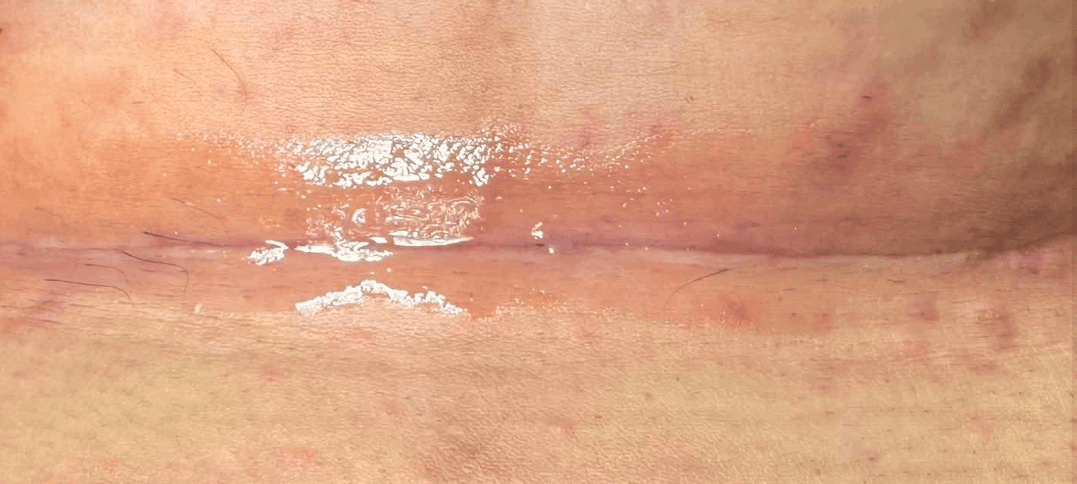
After a cesarean delivery, the surgical incision needs time to heal. The deeper layers of tissue underneath the skin also continue to recover even after the skin begins to look better.
During the early recovery period, mothers may notice:
Pain or tenderness around the incision.
A feeling of tightness when moving.
Mild swelling around the surgical area.
Numbness or reduced sensation around the scar.
Discomfort when coughing, sneezing, laughing, or changing position.
These symptoms may gradually improve as the body heals.
The scar may initially look red, darker, swollen, or more noticeable than the surrounding skin. Its appearance usually changes gradually as healing continues.
However, if the incision becomes increasingly painful, red, swollen, or begins producing unusual discharge, the mother should be examined by a healthcare professional.
How Should You Clean the Incision After Cesarean Delivery?
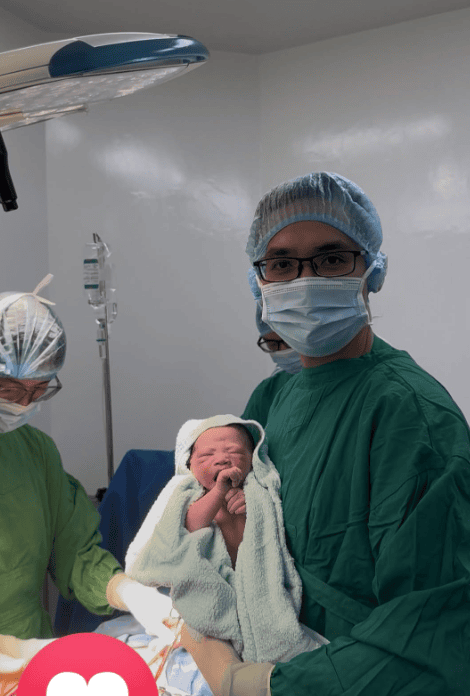
Keeping the surgical incision clean is an important part of postpartum recovery.
Mothers should:
Wash their hands before touching the incision.
Clean the area gently according to their healthcare provider's instructions.
Keep the incision clean and appropriately dry.
Gently pat the area dry rather than rubbing it.
Wear loose, comfortable clothing to reduce friction around the incision.
Mothers should not apply creams, powders, medications, herbal preparations, or traditional remedies to the surgical incision unless they have been recommended by a healthcare professional.
The appropriate wound-care method may also depend on how the incision was closed, such as with stitches, staples, surgical glue, or a dressing.
Can You Shower After Giving Birth by Cesarean Delivery?
In many cases, mothers can shower during recovery after cesarean delivery unless their healthcare provider has given different instructions.
When showering, mothers should:
Clean the incision gently.
Avoid vigorous rubbing.
Avoid picking at or peeling the incision.
Do not remove a dressing unless instructed to do so.
Gently pat the area dry after showering.
Follow the specific wound-care instructions provided by their healthcare team.
If you are unsure whether your incision can get wet or whether you should remove a dressing, ask your doctor or healthcare provider for specific advice.
Is Pain Around the Incision Normal After Cesarean Delivery?
Pain and tenderness around the surgical incision are common during the early postpartum period.
Pain may become more noticeable when mothers:
Get out of bed or sit down.
Walk.
Cough or sneeze.
Laugh.
Change position.
Breastfeed in a position that places pressure on the abdomen.
In most cases, discomfort should gradually improve as the body recovers.
However, pain that becomes increasingly severe instead of gradually improving should not simply be considered a normal part of recovery.
If the pain is accompanied by redness, swelling, warmth, abnormal discharge, or fever, the incision should be evaluated to determine whether there may be an infection or another complication.
How Can You Protect the Incision When Coughing or Sneezing?
After cesarean delivery, mothers may feel pain or tightness around the abdomen when coughing, sneezing, or laughing.
If this makes you uncomfortable, you can gently support your abdomen with your hand or a clean pillow when coughing or sneezing.
However, being afraid of pain does not mean you should remain in bed all day.
Gentle movement and walking are generally encouraged during postpartum recovery when medically appropriate.
The important principle is:
Move slowly, avoid excessive strain, and gradually increase your activity according to your recovery.
Can You Hold and Care for Your Baby After Cesarean Delivery?
Most mothers can hold and care for their baby when they feel physically able to do so.
However, during the early recovery period, mothers should be careful with activities that place excessive strain on the abdominal area.
Try to avoid:
Lifting heavy objects.
Carrying loads heavier than recommended by your healthcare provider.
Heavy household chores.
Movements that cause significant pain or pulling around the incision.
Strenuous physical activity too soon.
Family members can help with household tasks so that the mother can focus on recovering and caring for her baby.
The timing for returning to driving, exercise, heavier lifting, and sexual activity should be based on the mother's recovery and medical advice.
What Should You Eat to Support Healing After Cesarean Delivery?

Good nutrition is an important part of recovery after surgery.
After cesarean delivery, mothers should pay attention to:
Eating enough protein.
Eating a variety of vegetables and fruits.
Including appropriate sources of fiber.
Drinking enough fluids.
Maintaining a balanced diet, particularly if breastfeeding.
Protein is especially important because the body needs it to repair and rebuild tissues after surgery.
Rather than relying on one particular “food that heals wounds,” mothers should focus on maintaining a varied, balanced, and nutritious diet throughout postpartum recovery.
What Does a Normal Surgical Scar Look Like?
During the early healing period, the surgical scar may:
Look slightly red or darker than the surrounding skin.
Be mildly swollen.
Be more noticeable.
Feel tender or sensitive.
Feel numb around the scar.
Feel tight when moving.
Over time, the scar usually changes in color and becomes less noticeable.
However, every woman's healing process is different.
If the scar suddenly becomes more red, swollen, painful, or begins producing unusual discharge, the mother should seek medical evaluation.
What Should You Avoid Doing to the Surgical Incision?
To support proper healing, mothers should avoid:
Scrubbing the incision.
Picking at the wound or scabs.
Applying creams, powders, medications, or traditional remedies without medical advice.
Removing stitches, staples, or dressings without instructions.
Exercising intensely too early.
Ignoring pain that is becoming worse.
Trying to treat an abnormal incision without medical evaluation.
Mothers should check the incision regularly during the recovery period so that changes can be noticed as early as possible.
What Signs May Indicate an Infection of the Surgical Incision?
Mothers should pay attention if the incision develops:
Increasing redness.
Increasing swelling.
Worsening pain.
Increasing warmth or tenderness around the incision.
Pus or unusual discharge.
Foul-smelling discharge.
The wound opening or separating.
Fever or chills.
These signs may indicate an infection or another complication and should be assessed by a healthcare professional.
This is especially important if the symptoms are becoming progressively worse instead of improving.
When Should You Seek Medical Attention After Cesarean Delivery?
Mothers should contact their doctor or seek medical care promptly if they experience:
Severe or rapidly worsening pain.
Fever or chills.
Pus or unusual fluid coming from the incision.
The incision begins to open.
Increasing redness or swelling around the wound.
Heavy vaginal bleeding.
Shortness of breath or chest pain.
Significant pain or swelling in one leg.
Some of these symptoms may be associated with infection, postpartum bleeding, or blood clots and require prompt medical assessment.
Three Common Misconceptions About Caring for the Incision After Cesarean Delivery
Misconception 1: The more you stay in bed, the faster the incision will heal
Not necessarily.
Rest is important after surgery, but staying completely inactive for a prolonged period is not necessarily the best approach to recovery.
Gentle movement and appropriate walking are generally encouraged when the mother is medically able to do so.
However, strenuous activities and heavy lifting should still be avoided during the early recovery period.
Misconception 2: You can apply any cream, medicine, or traditional remedy to the incision
This is not recommended.
Not every cream, medication, herbal preparation, or traditional remedy is appropriate for a healing surgical wound.
Mothers should follow their healthcare provider's instructions and avoid applying products that have not been specifically recommended.
Misconception 3: Pain and redness around the incision are always normal
Not necessarily.
Some pain, tenderness, or changes in skin color may occur during normal healing.
However, increasing pain, significant redness, swelling, unusual discharge, wound separation, or fever may be warning signs that require medical evaluation.
Frequently Asked Questions (FAQ)
How long does it take for the incision to heal after cesarean delivery?
The body needs several weeks to recover after cesarean delivery.
The skin may appear healed before the deeper tissues underneath have completely recovered.
Therefore, mothers should not rely only on the appearance of the scar to decide whether they are ready to return to strenuous exercise, heavy lifting, or other demanding activities.
Can I shower after giving birth by cesarean delivery?
In many cases, mothers can shower unless their healthcare provider has advised otherwise.
Clean the incision gently, avoid vigorous rubbing, and gently pat the area dry afterward.
Is numbness around the surgical scar normal?
Some women may experience numbness or changes in sensation around the surgical scar during recovery.
These sensations may gradually change over time.
However, if numbness is accompanied by increasing pain, swelling, redness, unusual discharge, or other concerning symptoms, the area should be examined by a healthcare professional.
When can I exercise after cesarean delivery?
Mothers should gradually return to physical activity.
Gentle walking is generally encouraged during recovery when appropriate, while strenuous exercise should be postponed until the body has recovered sufficiently and the mother has received appropriate medical advice.
When should I be concerned about my surgical incision?
You should seek medical attention if the incision becomes increasingly red, swollen, or painful, produces pus or foul-smelling discharge, begins to open, or is accompanied by fever or chills.
Postpartum and Cesarean Recovery Consultation With M.Sc. Dr. Le Nhu Ngoc
The surgical incision after cesarean delivery needs time and proper care to heal.
Knowing how to clean the incision, keep it clean and appropriately dry, move safely, maintain adequate nutrition, and recognize warning signs can help mothers feel more confident during postpartum recovery.
However, not every woman's recovery is exactly the same.
If the incision becomes increasingly painful, red, swollen, produces unusual discharge, begins to open, or is accompanied by fever, chills, or other concerning symptoms, mothers should seek medical evaluation instead of trying to treat the problem on their own.
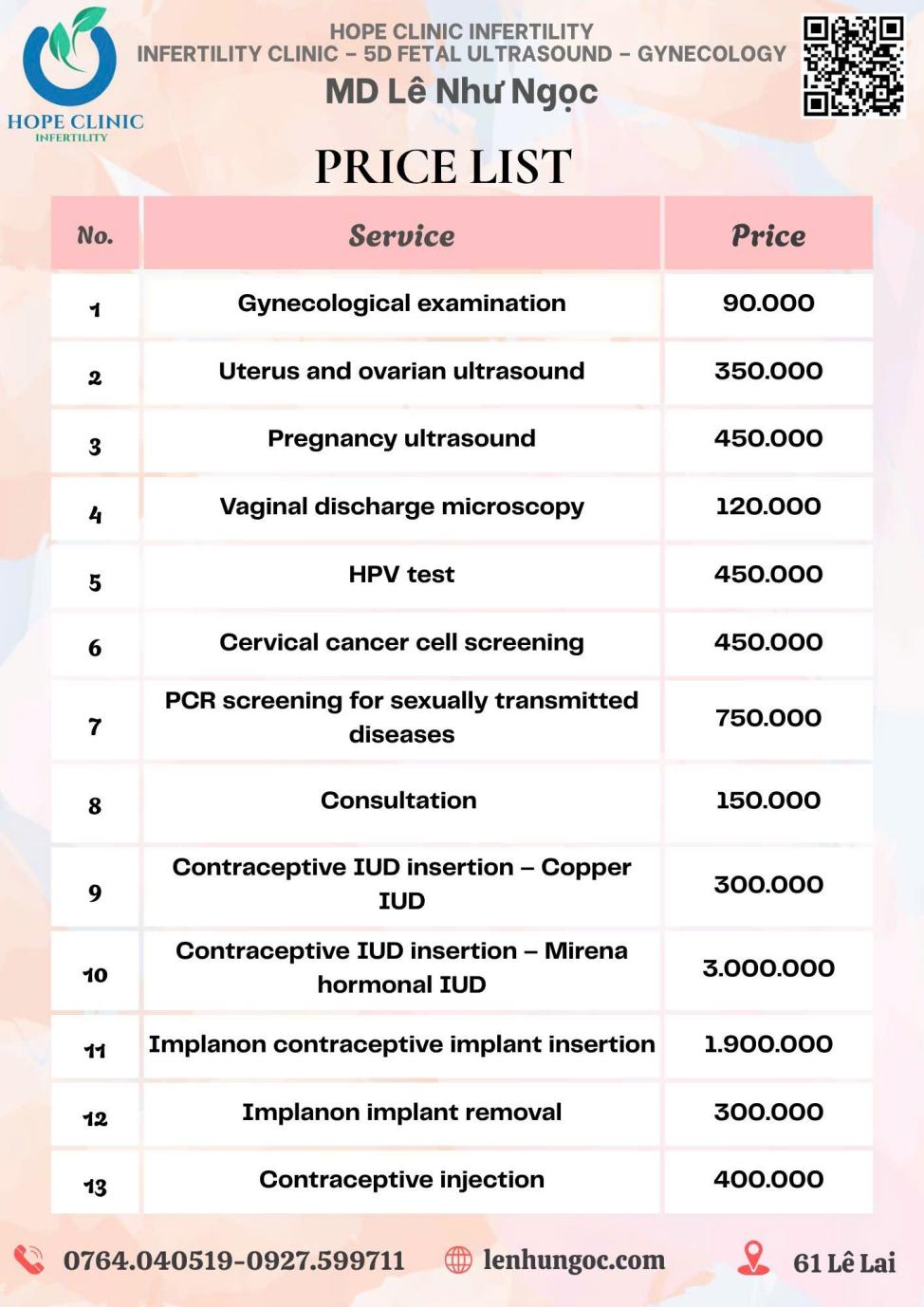
At Hope Clinic – Da Nang, M.Sc. Dr. Le Nhu Ngoc provides postpartum consultations and examinations for mothers recovering after cesarean delivery, including assessment of the surgical incision, postpartum recovery, gynecological health, pelvic floor function, and other changes after childbirth.
The goal is to help each mother understand her recovery, recognize abnormal signs early, and choose an appropriate care approach based on her individual health condition.
📍 Hope Clinic – M.Sc. Dr. Le Nhu Ngoc
Address: 61 Le Lai Street, Hai Chau District, Da Nang, Vietnam
☎️ Hotline/Zalo: 0764 040 519
🌐 Website: lenhungoc.com